
50+ Shipping Abbreviations You Need to Know in Global Trade

50+ Shipping Abbreviations You Need to Know in Global Trade

Global trade runs on abbreviations: short, fast-moving shorthand that freight forwarders, customs officers, and carriers use every single day. For importers and exporters, understanding common freight forwarding terminology can help avoid delays, unexpected charges, and costly miscommunication with your logistics partner.

This guide breaks down 50+ of the most important shipping and logistics abbreviations, organized by category, so you can move through quotes, contracts, and shipping documents with confidence.

Container & Cargo Terms

These abbreviations describe how your goods are packed, measured, and moved.

  • FCL – Full Container Load: A shipment that fills an entire container, booked exclusively for one shipper.
  • LCL – Less than Container Load: A shipment that shares container space with other shippers’ cargo.
  • TEU – Twenty-foot Equivalent Unit: The standard unit for measuring container capacity, based on a 20-foot container.
  • FEU – Forty-foot Equivalent Unit: Equal to two TEUs; based on a 40-foot container.
  • CBM – Cubic Meter: A volume measurement used to calculate freight pricing, especially for LCL shipments.
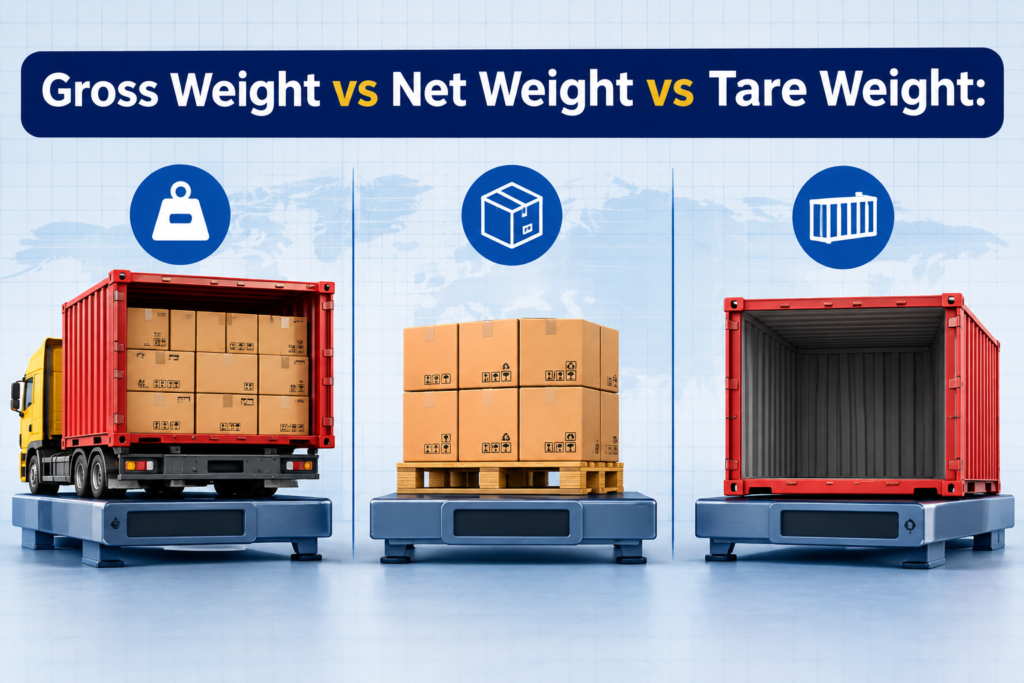
  • GW – Gross Weight: The total weight of goods including packaging.
  • NW – Net Weight: The weight of goods alone, excluding packaging.
  • HC – High Cube: A taller container type used for lightweight, high-volume cargo.
  • DG – Dangerous Goods: Cargo classified as hazardous and subject to special handling rules.
  • OOG – Out of Gauge: Cargo that exceeds standard container dimensions, requiring special equipment.

Shipping Documents

Every shipment is backed by paperwork. These are the documents you’ll encounter most often.

  • BL / B/L – Bill of Lading: A legal document issued by the carrier confirming receipt of cargo and terms of transport.
  • MBL – Master Bill of Lading: Issued by the shipping line to the freight forwarder, covering the entire shipment.
  • HBL – House Bill of Lading: Issued by the freight forwarder to the actual shipper, covering their specific cargo.
  • AWB – Air Waybill: The equivalent of a bill of lading, used specifically for air freight shipments.
  • CO – Certificate of Origin: A document certifying the country where goods were manufactured.
  • PL – Packing List: A detailed list of the items, quantities, and packaging in a shipment.
  • CI – Commercial Invoice: The invoice used for customs valuation and payment between buyer and seller.
  • SI – Shipping Instructions: Details provided by the shipper to the carrier about how cargo should be handled and documented.
  • POD – Proof of Delivery: Confirmation that goods have been received at their final destination.

Incoterms (International Commercial Terms)

Incoterms define who is responsible for costs and risks at each stage of a shipment.

  • EXW – Ex Works: The buyer takes on all transport responsibility from the seller’s premises.
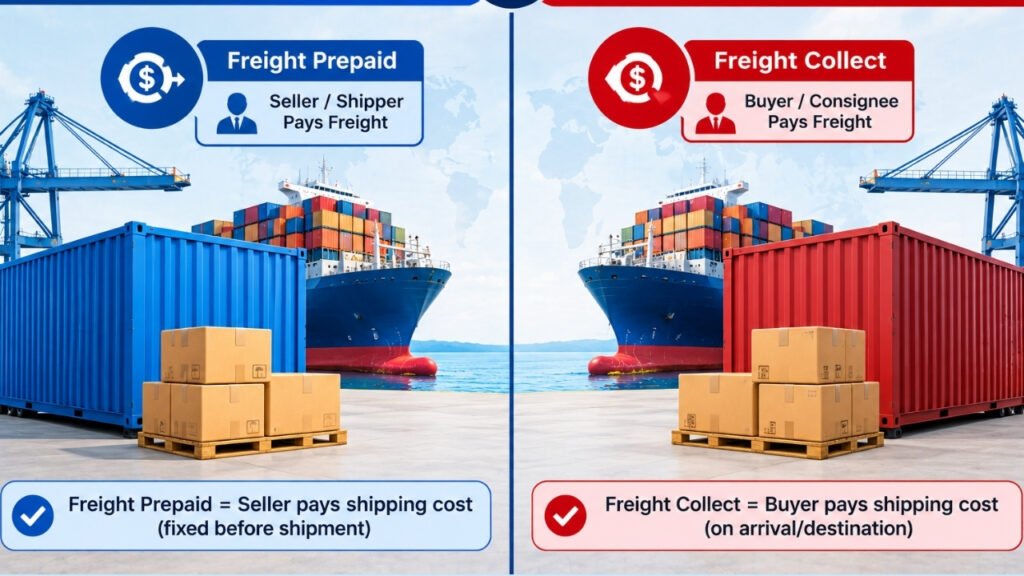
  • FOB – Free on Board: The seller is responsible for goods until they’re loaded onto the vessel; the buyer takes over from there.
  • CIF – Cost, Insurance & Freight: The seller covers cost, insurance, and freight to the destination port.
  • CFR – Cost and Freight: Similar to CIF, but without insurance coverage included.
  • DDP – Delivered Duty Paid: The seller handles all costs, including duties, up to the buyer’s door.
  • DAP – Delivered at Place: The seller delivers goods to an agreed location, but the buyer handles import duties.
  • FCA – Free Carrier: The seller delivers goods to a carrier nominated by the buyer.

Freight & Transport Terms

These abbreviations come up constantly when discussing schedules and transport modes.

  • LTL – Less than Truckload: A road freight shipment that shares truck space with other shippers.
  • FTL – Full Truckload: A road freight shipment that fills an entire truck for one shipper.
  • ETA – Estimated Time of Arrival: The expected arrival date and time of a shipment.
  • ETD – Estimated Time of Departure: The expected departure date and time of a shipment.
  • POL – Port of Loading: The port where cargo is loaded onto the vessel.
  • POD – Port of Discharge: The port where cargo is unloaded. (Note: POD can also stand for “Proof of Delivery,” so context matters.)
  • T/T – Transit Time: The total time it takes for cargo to travel from origin to destination.

Customs & Compliance Terms

Customs paperwork has its own dense vocabulary. Here are the essentials.

  • HS Code – Harmonized System Code: An internationally standardized code used to classify traded products.
  • EORI – Economic Operator Registration and Identification: A number required for businesses trading within the EU.
  • ISF – Importer Security Filing: A U.S. customs requirement for advance cargo information on ocean shipments.
  • CBP – Customs and Border Protection: The U.S. agency responsible for enforcing import/export regulations.
  • VAT – Value Added Tax: A consumption tax applied to goods, often due at the point of import.

Logistics Providers & Roles

Knowing who does what in the supply chain helps you choose the right partner.

  • 3PL – Third-Party Logistics: A provider that manages transportation, warehousing, and distribution on behalf of a business.
  • 4PL – Fourth-Party Logistics: A provider that manages the entire supply chain, often overseeing multiple 3PLs.
  • NVOCC – Non-Vessel Operating Common Carrier: A company that consolidates cargo and issues its own bills of lading without owning ships.
  • FF – Freight Forwarder: An agent who arranges shipping on behalf of importers and exporters.

Costs & Charges

Freight quotes are full of surcharges. Here’s what they mean.

  • THC – Terminal Handling Charge: A fee for handling cargo at the port terminal.
  • BAF – Bunker Adjustment Factor: A surcharge that accounts for fluctuating fuel costs.
  • CAF – Currency Adjustment Factor: A surcharge that accounts for currency exchange rate fluctuations.
  • D&D – Demurrage and Detention: Fees charged when containers aren’t moved or returned within the allotted free time.
  • ISPS – International Ship and Port Facility Security: A security-related fee tied to international shipping regulations.

Tracking & Cargo Ownership

A few final terms you’ll see on container bookings and tracking updates.

  • SOC – Shipper Owned Container: A container owned (not leased) by the shipper.
  • COC – Carrier Owned Container: A container owned by the shipping line.
  • VGM – Verified Gross Mass: The certified total weight of a packed container, required before loading.

Quick Reference Table

AbbreviationMeaning
FCLFull Container Load
LCLLess than Container Load
TEUTwenty-foot Equivalent Unit
FEUForty-foot Equivalent Unit
CBMCubic Meter
BL/B/LBill of Lading
MBLMaster Bill of Lading
HBLHouse Bill of Lading
AWBAir Waybill
COCertificate of Origin
EXWEx Works
FOBFree on Board
CIFCost, Insurance & Freight
DDPDelivered Duty Paid
DAPDelivered at Place
LTLLess than Truckload
FTLFull Truckload
ETAEstimated Time of Arrival
ETDEstimated Time of Departure
POLPort of Loading
PODPort of Discharge / Proof of Delivery
HS CodeHarmonized System Code
EORIEconomic Operator Registration and Identification
3PLThird-Party Logistics
4PLFourth-Party Logistics
NVOCCNon-Vessel Operating Common Carrier
THCTerminal Handling Charge
BAFBunker Adjustment Factor
D&DDemurrage and Detention
VGMVerified Gross Mass

Conclusion

Shipping abbreviations aren’t designed to confuse you. They’re designed to speed up communication between people who deal with global trade every day. Once you’re familiar with the core terms, reading a freight quote or bill of lading becomes far less intimidating.

If you’d rather skip the jargon altogether, Clevertactic’s logistics specialists handle the details for you, from documentation to customs clearance to final delivery.

Need help with your next shipment? Get a free logistics consultation from Clevertactic today.

Frequently Asked Questions

1. Why are there so many abbreviations in shipping? 

Global trade involves multiple parties, including shippers, carriers, customs authorities, and freight forwarders, across different countries and languages. Standardized abbreviations make communication faster and reduce errors across borders.

2. Do I need to memorize all of these terms? 

Not necessarily. Understanding the most common ones, such as FCL, LCL, Incoterms, and key documents like the BL and AWB, will cover most day-to-day shipping conversations. A good freight forwarding partner will walk you through the rest.

3. What’s the difference between POD meaning “Port of Discharge” and “Proof of Delivery”?

 Context is key. In a routing or schedule document, POD typically means Port of Discharge. In a delivery confirmation or invoice context, it usually means Proof of Delivery.

Related Blogs

Air Waybill (AWB) vs Bill of Lading (B/L): Key Differences Explained
27Aug

Air Waybill (AWB) vs Bill of…

Air Waybill (AWB) vs Bill of Lading (B/L): Key Differences Explained An Air Waybill (AWB)…

What Is an HS Code? A Complete Guide for Importers and Exporters
27Aug

What Is an HS Code? A…

What Is an HS Code? A Complete Guide for Importers and Exporters What is an…

Sea Freight Rates: 7 Ways to Keep Shipping Costs Down
11Aug

Sea Freight Rates: 7 Ways to…

Sea Freight Rates: 7 Ways to Keep Shipping Costs Down Sea freight is one of…