

How to Read a Shipping Container…
How to Read a Shipping Container Number: A Simple Guide A shipping container number is…

END TO END Solution
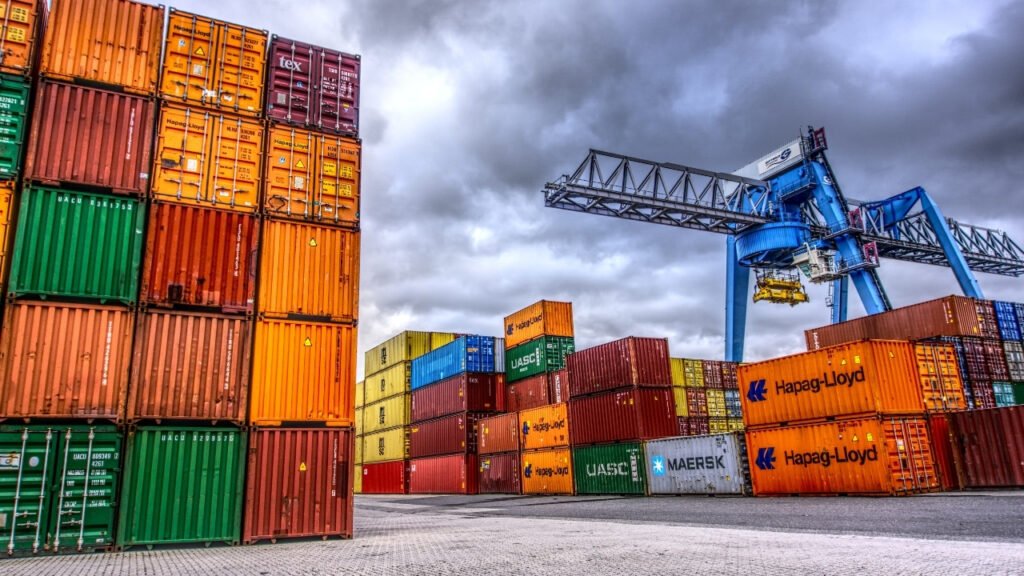
VGM, or Verified Gross Mass, is an important requirement in international container shipping. Exporters must provide the verified gross mass of a packed container before it can be loaded onto a vessel.
Understanding what VGM means, how it is calculated, who is responsible for submitting it, and what happens when the information is incorrect can help exporters avoid delays, documentation problems, and additional costs.
In this guide, we explain VGM in simple terms, including the VGM calculation, weighing methods, required information, submission process, common mistakes, and practical tips for exporters.
Table of Contents
When an exporter ships a container by sea, the shipping line needs to know the container’s verified total weight before loading it onto the vessel.
This verified weight is known as the Verified Gross Mass, or VGM.
VGM is more than simply estimating how much cargo has been packed inside a container. The exporter or responsible party must determine the verified gross mass using an accepted weighing method and provide the required information to the carrier or relevant party within the applicable deadline.
Accurate VGM information supports safe container handling, vessel planning, and cargo loading operations.
VGM stands for Verified Gross Mass.
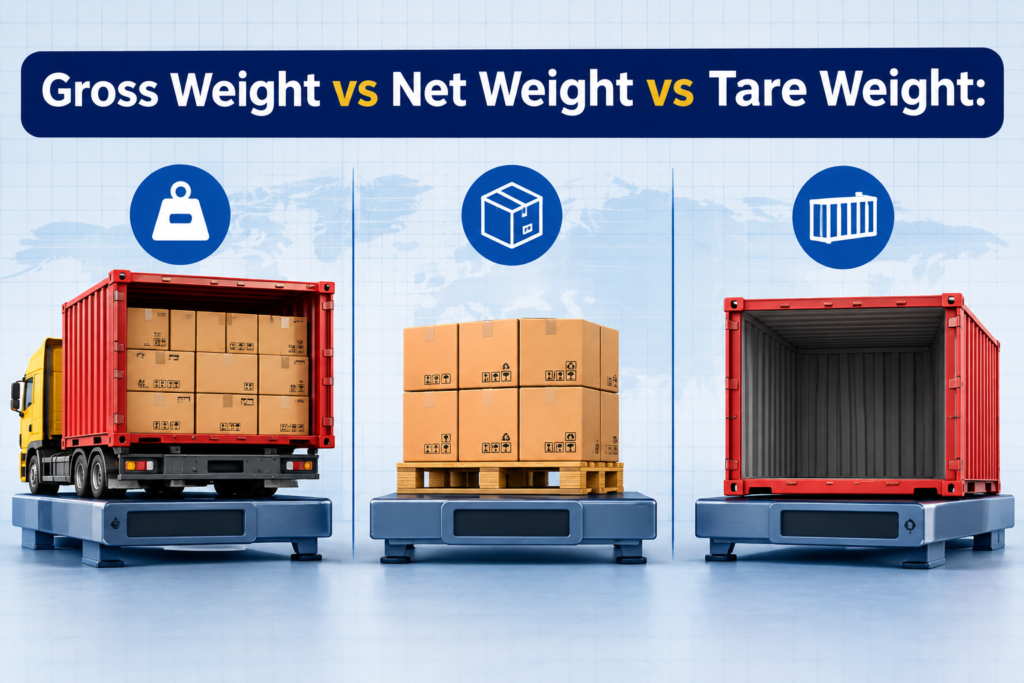
In container shipping, VGM is the verified total gross mass of a packed container. It includes the cargo and the materials and equipment associated with the packed container, such as packaging and securing materials, together with the tare mass of the container.
The requirement for a verified container weight is part of the international maritime safety framework established through the SOLAS convention.
VGM = Total verified weight of the packed container.
It is important to understand that VGM is not the same as cargo weight alone.
Suppose an exporter loads 18,000 kg of goods into a container.
The container itself also has its own tare weight, and packaging or securing materials may add additional weight.
The VGM therefore represents the verified gross mass of the complete packed container, not simply the 18,000 kg cargo weight.
Accurate VGM information is important for the safe planning and operation of container vessels.
Accurate container weights help carriers and vessel operators plan the placement and distribution of containers on board.
Ports, terminals, and handling equipment need reliable weight information when moving containers.
Verified weights support vessel stowage planning and help operators determine where containers should be positioned.
Providing the required VGM is part of the applicable SOLAS container-weight requirements for international maritime transport.
If the required VGM information is not available within the applicable deadline, the container may face problems with loading or operational processing.
VGM represents the gross mass of the packed container.
Depending on the weighing method and calculation process, this can include:
The key point is that VGM relates to the complete packed container rather than the cargo alone.
| Term | Meaning |
|---|---|
| Cargo Weight | Weight of the goods being shipped. |
| Tare Weight | Weight of the empty container. |
| VGM | Verified gross mass of the packed container. |
Therefore, an exporter should not simply provide the cargo weight when the carrier requires VGM.
There are two recognized approaches for determining the verified gross mass of a packed container.
The first method is to weigh the entire packed container. The second method is to calculate the total weight of the cargo, packaging, securing materials, and other relevant contents and then add the container tare weight.
VGM = Cargo Weight + Packaging and Securing Materials + Container Tare Weight
The exact procedure and acceptable weighing arrangements should follow the applicable SOLAS requirements and local or carrier procedures.
Suppose an exporter has:
The illustrative calculation would be:
18,000 + 500 + 2,300 = 20,800 kg
The resulting VGM would therefore be 20,800 kg in this example.
Exporters should use the actual verified weights and the applicable procedures for their shipment rather than relying on estimates.
The SOLAS framework allows two main methods for determining the verified gross mass of a packed container.
Under this method, the exporter or responsible party weighs the entire packed and sealed container using suitable weighing equipment.
This provides the gross mass of the complete container.
Under this method, the exporter determines the individual weights of the cargo, packaging, dunnage, and securing materials and adds the container tare weight.
This method requires reliable weight information for the components used in the calculation.
| Point | Method 1 | Method 2 |
|---|---|---|
| Approach | Weigh the packed container | Calculate component weights and add tare weight |
| Container weighed | Yes | No, the tare weight is used |
| Weight records | Based on weighing the complete container | Based on documented component weights |
| Main consideration | Suitable weighing equipment and procedure | Reliable and accurate component weight information |
The shipper is generally responsible for providing the verified gross mass of the packed container to the carrier and for ensuring that the information is properly determined and communicated.
The exact responsibilities and communication process can depend on the shipping arrangement, carrier requirements, and applicable local procedures.
Shipping lines may have specific requirements regarding VGM submission formats, deadlines, electronic systems, and documentation.
Exporters should therefore confirm the carrier’s requirements before the container reaches the loading stage.
The VGM submission process should be planned as part of the export documentation and container booking process.
Pack and secure the cargo inside the container according to the applicable requirements.
Use one of the accepted methods to determine the verified gross mass.
Review the cargo, packaging, securing materials, and container tare weight where the calculation method is used.
Record the verified gross mass together with the information required by the carrier.
Send the VGM to the carrier or designated party using the required communication method.
Make sure the VGM is submitted before the applicable cut-off deadline.
Maintain the relevant weighing and VGM records according to the applicable requirements and company procedures.
Incorrect VGM information can create operational and documentation problems. Exporters should pay attention to the following common mistakes.
One of the most common mistakes is reporting only the weight of the goods.
VGM relates to the complete packed container, so the applicable container tare weight and other relevant components need to be considered when using the calculation method.
VGM should be based on an appropriate verification process rather than an informal estimate.
Pallets, dunnage, securing materials, and packaging can contribute to the total weight.
When using the calculation method, exporters should use the appropriate container tare weight.
A correctly calculated VGM may still create problems if it is submitted after the applicable cut-off.
Exporters should check whether the VGM is being submitted in kilograms or another unit accepted by the carrier.
Keep relevant records of weighing and VGM submissions according to applicable requirements.
VGM information needs to be available before the container is loaded onto a vessel according to the applicable SOLAS requirements and carrier procedures.
If the required VGM is not available, the container may not be loaded until the required information is provided and the carrier or relevant parties can process it.
The exact consequences depend on the circumstances, carrier procedures, port requirements, and applicable regulations.
If a VGM error is identified, contact the carrier, freight forwarder, or responsible shipping party as soon as possible and follow the applicable correction procedure.
Do not assume that an incorrect VGM can simply be changed without notifying the relevant parties.
A simple VGM management process can help exporters reduce errors and avoid last-minute problems.
Do not wait until the last possible moment to calculate or verify the container weight.
Make sure weighing equipment, weight records, and calculation methods are appropriate for the applicable requirements.
When using the calculation method, confirm the correct tare weight of the container.
Remember that packaging, pallets, dunnage, and securing materials can contribute to the total gross mass.
Check the VGM submission deadline with the carrier or freight forwarder.
Maintain VGM-related records so that the information can be checked if a question or discrepancy arises.
Exporters can also review sea freight services to better understand the wider process involved in moving containers internationally.
Good communication between the exporter, freight forwarder, carrier, terminal, and other parties can help prevent avoidable documentation and scheduling problems.
Businesses can also use freight forwarding services when they need assistance coordinating international shipments.
Exporters can use this checklist before submitting VGM information.
| Check | What to Confirm |
|---|---|
| Cargo weight | Confirm the actual weight of the goods. |
| Packaging | Include relevant packaging materials. |
| Dunnage | Include relevant securing and dunnage materials. |
| Container tare | Confirm the correct container tare weight when using the calculation method. |
| Weighing method | Use an applicable method for determining VGM. |
| Units | Confirm the required weight unit. |
| Carrier | Check the carrier’s VGM submission requirements. |
| Deadline | Submit VGM before the applicable cut-off. |
| Records | Keep relevant VGM and weighing records. |
VGM, or Verified Gross Mass, is an essential part of container shipping. It provides the verified gross mass of a packed container and supports safe vessel planning, container handling, and maritime transport operations.
For exporters, the key is to understand that VGM is not simply the weight of the cargo. The applicable calculation or weighing method must account for the complete packed container as required by the relevant rules.
Exporters should determine VGM accurately, use reliable weighing information, submit it before the required deadline, and follow the specific procedures of their shipping line or logistics provider.
Careful VGM management can help reduce documentation problems, loading delays, and unexpected operational issues during international container shipping.
VGM stands for Verified Gross Mass. It refers to the verified gross mass of a packed shipping container.
No. Cargo weight refers to the goods, while VGM represents the verified gross mass of the packed container, including the cargo and applicable packaging, securing materials, and container tare weight.
The shipper is generally responsible for determining and providing the verified gross mass to the carrier within the applicable deadline.
If the required VGM is not available within the applicable process and deadline, the container may not be loaded until the required information is provided. Additional operational consequences may also apply depending on the carrier and circumstances.
VGM can generally be determined by weighing the packed container or by calculating the weight of the cargo and relevant materials and adding the container tare weight, using an applicable method under the relevant requirements.
Speak with our team to find the best shipping solutions for your business.
+230 52583493
How to Read a Shipping Container Number: A Simple Guide A shipping container number is…
Freight Prepaid vs Freight Collect: What Exporters Need to Know Freight Prepaid and Freight Collect…

7 Types of Bill of Lading Every Exporter Should Know A Bill of Lading, commonly…
Let’s work together to simplify your logistics and ensure fast, secure, and timely delivery of your shipments.

Your Trusted Partner in End-to-End Supply Chain Management, Offering Expertise, Reliability, and On-Time Delivery Across the Globe.