
How to Read a Shipping Container…
How to Read a Shipping Container Number: A Simple Guide A shipping container number is…

END TO END Solution

A Bill of Lading, commonly called a B/L or BoL, is one of the most important documents in international shipping. It provides key information about the cargo, shipper, consignee, carrier, and transportation arrangements.
However, not every shipment uses the same type of Bill of Lading. Different types are used depending on the transportation arrangement, cargo, ownership, payment terms, and delivery requirements.
For exporters, understanding the different types of Bills of Lading can help with documentation, cargo release, payment processing, and communication with shipping lines, freight forwarders, buyers, and banks.
In this guide, we explain seven common types of Bills of Lading, how they work, when they are used, and what exporters should consider before choosing or accepting one.
Table of Contents
International shipments involve multiple parties, including exporters, importers, carriers, freight forwarders, customs authorities, ports, banks, and logistics providers.
Because so many parties are involved, accurate shipping documentation is essential.
The Bill of Lading is a central document in many ocean freight transactions. It records important shipment details and provides evidence of the contract of carriage between the relevant parties.
For businesses involved in sea freight services, understanding the type of Bill of Lading being used is particularly important because different documents can have different practical and legal implications.
A Bill of Lading is a transport document issued by or on behalf of a carrier for the shipment of goods.
It commonly includes information such as:
Depending on its form and applicable legal framework, a Bill of Lading can also serve as evidence of the contract of carriage, a receipt for the goods, and, in some cases, a document of title.
There are many ways Bills of Lading can be classified. The following seven are commonly encountered by exporters and logistics professionals:

| Type | Basic Purpose |
|---|---|
| Straight Bill of Lading | Used when goods are consigned to a named consignee. |
| Order Bill of Lading | Allows transfer by endorsement or as permitted under applicable law. |
| Ocean Bill of Lading | Used for ocean transportation of cargo. |
| House Bill of Lading | Issued by a freight forwarder or NVOCC to its customer. |
| Master Bill of Lading | Issued by the ocean carrier or relevant main carrier. |
| Clean Bill of Lading | Indicates that no adverse notation concerning the apparent condition of the goods or packaging was made at receipt, subject to the document wording. |
| Claused or Foul Bill of Lading | Contains a notation concerning an apparent defect, damage, or shortage. |
A Straight Bill of Lading identifies a specific named consignee to whom the goods are to be delivered.
It is generally used when the shipment is not intended to be transferred by endorsement in the same way as a negotiable order Bill of Lading.
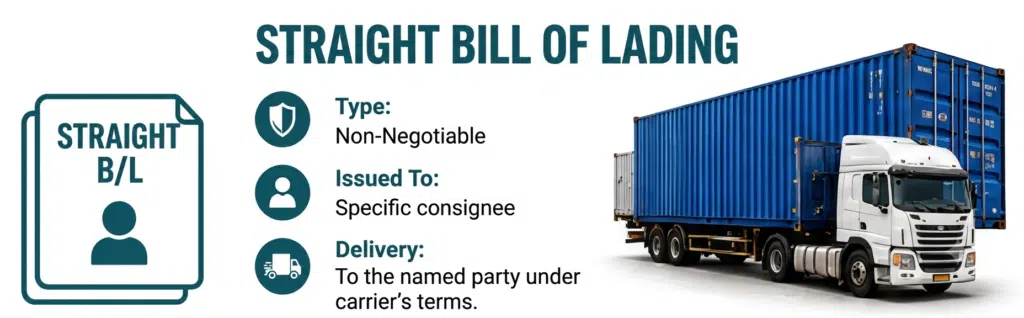
A straight Bill of Lading may be suitable when:
An exporter ships machinery directly to a buyer in another country. The Bill of Lading names that buyer as the consignee.
The exact rules concerning delivery and document presentation depend on the carrier’s terms and the applicable law.
An Order Bill of Lading is generally made out to order and can be transferred by endorsement or other legally recognized mechanisms.
This feature can be important in international trade where control of the goods may need to remain with the seller, a bank, or another party until specified conditions are met.
An order Bill of Lading may be used when:
Exporters should carefully check the documentary requirements of the buyer, bank, carrier, and sales contract before requesting an order Bill of Lading.
An Ocean Bill of Lading is a Bill of Lading used in the carriage of goods by sea.
It records important information about the shipment and the parties involved in the ocean transportation.

Ocean Bills of Lading can be issued in different forms depending on the shipment structure and contractual arrangement.
A House Bill of Lading (HBL) is generally issued by a freight forwarder or NVOCC to its customer.
It represents the relationship between the forwarder or NVOCC and its customer and may contain the shipper and consignee information associated with that individual shipment.

A House Bill of Lading is commonly used when a freight forwarder or NVOCC organizes transportation for its customer.
The forwarder may consolidate cargo from multiple customers and arrange transportation with an ocean carrier.
An exporter gives cargo to a freight forwarder. The forwarder issues an HBL to the exporter and receives a Master Bill of Lading from the ocean carrier for the consolidated shipment.
The exact document structure depends on the forwarder’s role and contractual arrangement.
A Master Bill of Lading (MBL) is generally issued by the ocean carrier to the contracting party, such as a freight forwarder or NVOCC, for the main carriage.
In a consolidated shipment, the Master Bill of Lading may cover the overall container or consolidated movement, while individual customers may receive House Bills of Lading.
| Feature | House B/L | Master B/L |
|---|---|---|
| Usually issued by | Freight forwarder or NVOCC | Ocean carrier |
| Usually issued to | Customer or shipper | Contracting party such as forwarder/NVOCC |
| Purpose | Documents the forwarder’s arrangement with its customer. | Documents the main carriage arrangement. |
A Clean Bill of Lading generally means that the carrier has not made an adverse notation on the Bill of Lading concerning the apparent external condition of the goods or packaging at the time of receipt.

It does not necessarily mean that the goods are perfect in every respect or that hidden damage does not exist.
A clean Bill of Lading can be particularly important in documentary transactions, including certain letters of credit, where the buyer or financial institution may require compliant transport documents.
Exporters should ensure that cargo and packaging are in suitable condition before handing the shipment to the carrier.
A Claused Bill of Lading, also called a Foul Bill of Lading, contains a notation regarding an apparent defect, damage, shortage, or other issue concerning the goods or packaging as received by the carrier.
A claused Bill of Lading can create problems where the buyer, bank, or letter of credit requires a clean transport document.
Exporters should address cargo and packaging issues before shipment whenever possible.
| Type | Key Characteristic | Common Use |
|---|---|---|
| Straight B/L | Names a specific consignee. | Direct shipment arrangements. |
| Order B/L | Generally transferable by endorsement or as permitted by law. | Documentary trade and payment arrangements. |
| Ocean B/L | Used for carriage by sea. | International ocean shipments. |
| House B/L | Issued by forwarder or NVOCC. | Forwarder-managed shipments. |
| Master B/L | Issued by the main carrier. | Main carriage and consolidated shipments. |
| Clean B/L | No adverse notation about apparent condition. | Shipments requiring clean transport documentation. |
| Claused B/L | Contains an adverse notation. | Goods or packaging received with apparent issues. |
Before accepting or submitting a Bill of Lading, exporters should carefully review the document against the shipment information.
Confirm that the exporter or shipper name and address are correct.
Check the consignee information carefully, particularly where the shipment is subject to documentary payment requirements.
Confirm that the notify party information matches the booking instructions and commercial requirements.
Verify the port of loading, port of discharge, and destination information.
Check the cargo description, package count, marks, and other applicable details.
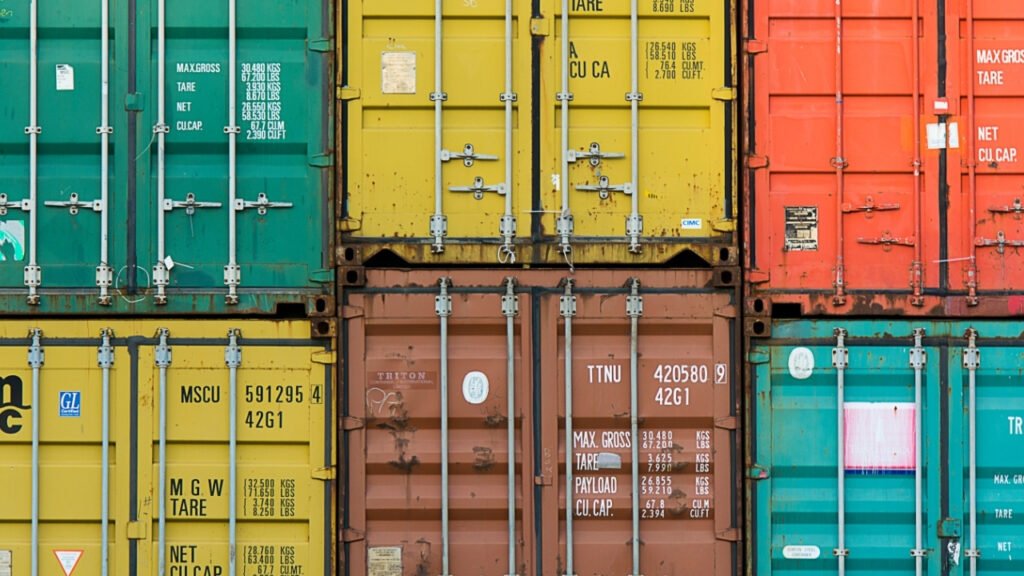
Confirm that the container and seal numbers match the physical shipment and related records.
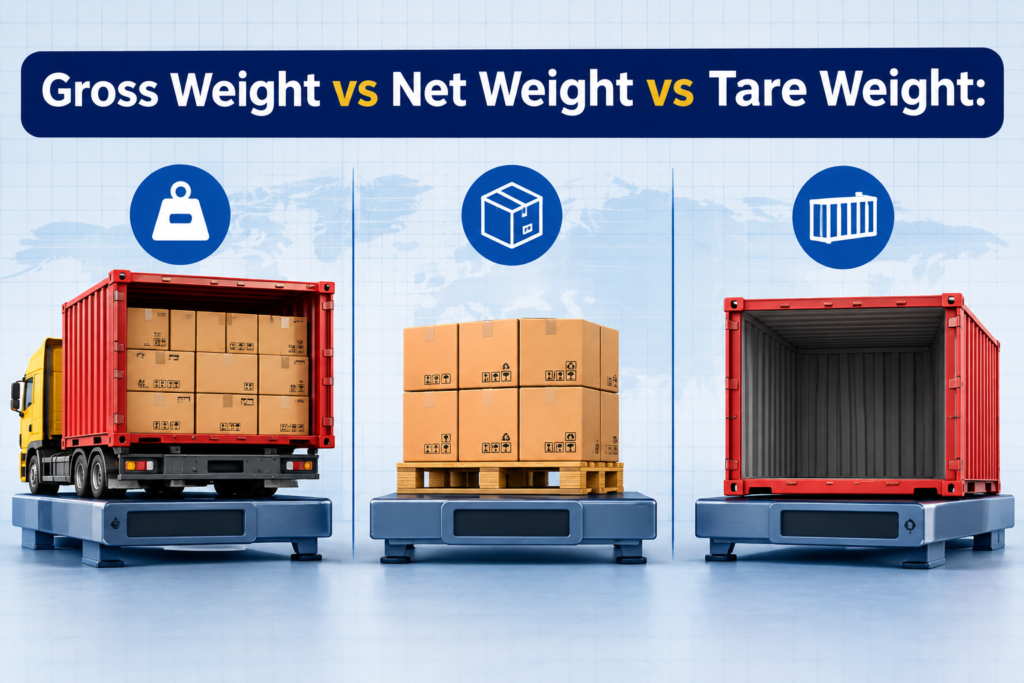
Check the cargo weight and applicable gross weight information.
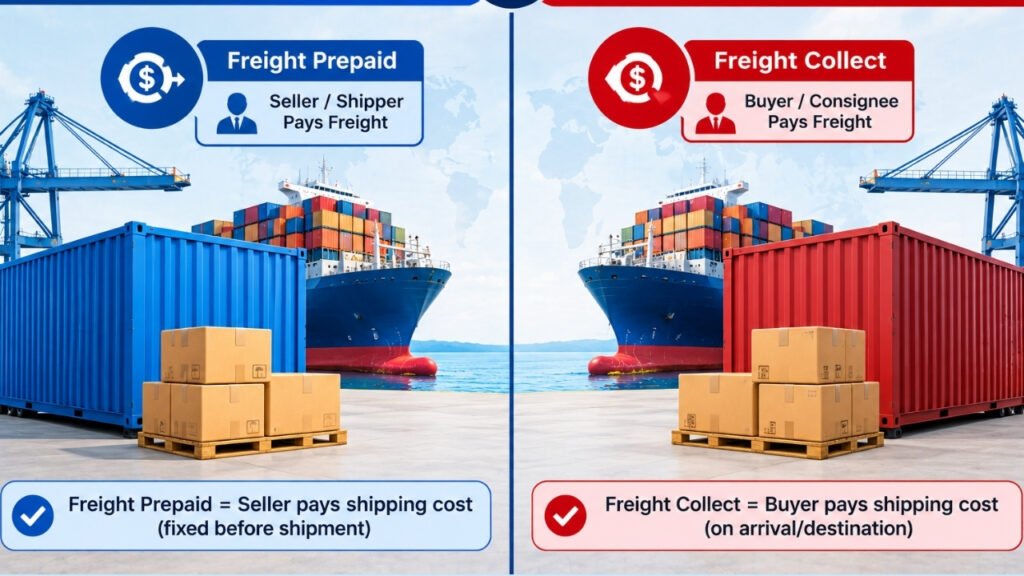
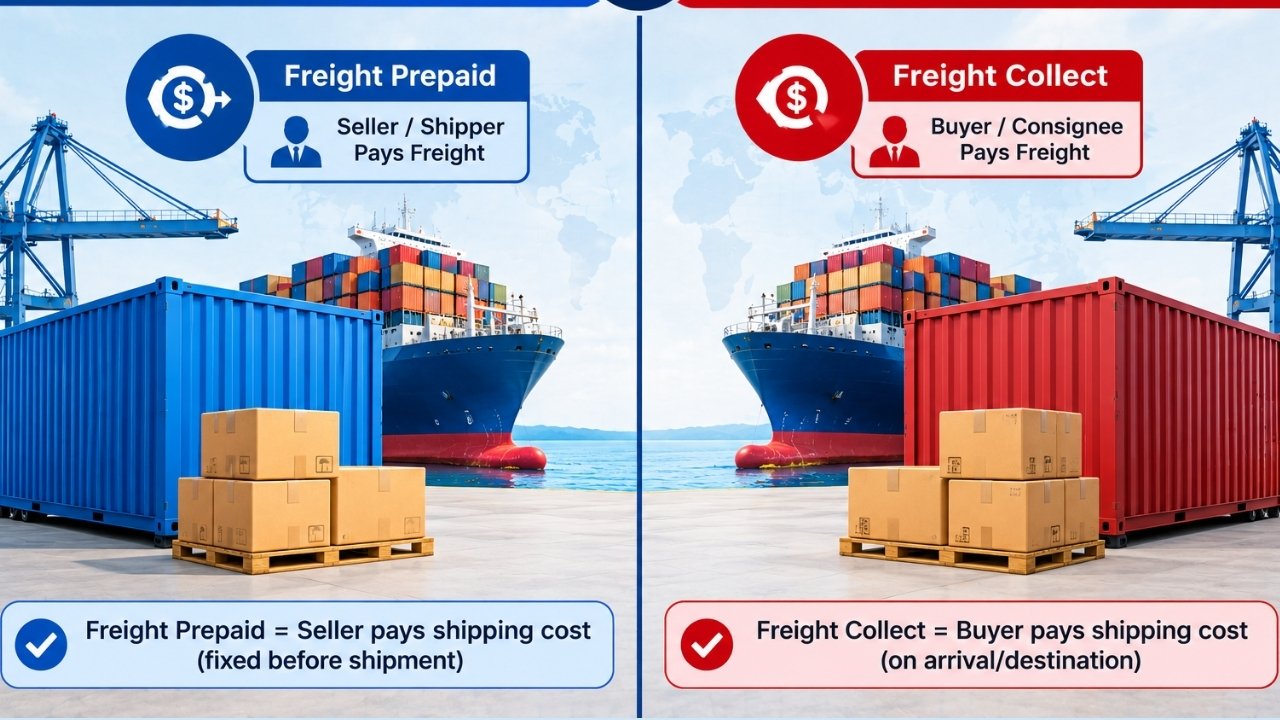
Verify whether freight is prepaid, collect, or subject to another agreed arrangement.
Make sure the B/L type and wording comply with the sales contract, letter of credit, carrier instructions, and destination requirements where applicable.
An incorrect consignee name can cause document and cargo-release problems.
The container number should be checked against the physical container and other shipment documents.
Weight discrepancies can create operational and documentation issues.
Always verify the loading port, discharge port, and destination.
Documentation should be prepared according to the agreed commercial and carrier requirements.
Exporters should carefully review any remarks or clauses added by the carrier concerning the apparent condition of the goods or packaging.
Use this checklist before approving a Bill of Lading:
| Check | What to Confirm |
|---|---|
| Shipper | Correct exporter details. |
| Consignee | Correct buyer or receiving party. |
| Notify party | Correct notification details. |
| Ports | Loading and discharge ports are correct. |
| Cargo description | Matches the shipment and applicable documentation. |
| Packages | Package count and type are correct. |
| Container number | Matches the physical container. |
| Seal number | Matches the physical seal and records. |
| Weight | Matches the applicable shipping information. |
| B/L type | Matches the commercial and documentary requirements. |
| Clauses | Review any remarks concerning cargo or packaging condition. |
A Bill of Lading is a key document in international shipping, but the appropriate type depends on the shipment structure and commercial requirements.
The seven types covered in this guide are Straight Bill of Lading, Order Bill of Lading, Ocean Bill of Lading, House Bill of Lading, Master Bill of Lading, Clean Bill of Lading, and Claused Bill of Lading.
For exporters, choosing and reviewing the correct Bill of Lading is important for documentation accuracy, cargo handling, payment arrangements, and shipment release.
Before approving a B/L, always verify the shipper, consignee, ports, cargo description, container number, seal number, weight, freight terms, and any applicable clauses.
Businesses working with international shipments can also review freight forwarding services to better understand how freight documentation and transportation are coordinated.
A Bill of Lading is a transport document issued by or on behalf of a carrier for the shipment of goods. Depending on the applicable legal framework and document type, it can serve as evidence of the contract of carriage, a receipt for the goods, and sometimes a document of title.
Common types include Straight, Order, Ocean, House, Master, Clean, and Claused Bills of Lading.
A House Bill of Lading is generally issued by a freight forwarder or NVOCC to its customer, while a Master Bill of Lading is generally issued by the ocean carrier for the main carriage arrangement.
A clean Bill of Lading generally contains no adverse notation concerning the apparent condition of the goods or packaging at receipt by the carrier.
A claused Bill of Lading contains a notation concerning an apparent defect, damage, shortage, or other issue observed when the goods were received.
An order Bill of Lading is generally made out to order and can be transferred by endorsement or another legally recognized mechanism, subject to applicable law and the document’s terms.
It provides important shipment information and can play a key role in transportation, documentation, cargo release, and certain payment arrangements. Exporters should ensure that the B/L accurately reflects the shipment and complies with the agreed requirements.
Speak with our team to find the best shipping solutions for your business.
+230 52583493
How to Read a Shipping Container Number: A Simple Guide A shipping container number is…
Freight Prepaid vs Freight Collect: What Exporters Need to Know Freight Prepaid and Freight Collect…
7 Types of Bill of Lading Every Exporter Should Know A Bill of Lading, commonly…
Let’s work together to simplify your logistics and ensure fast, secure, and timely delivery of your shipments.

Your Trusted Partner in End-to-End Supply Chain Management, Offering Expertise, Reliability, and On-Time Delivery Across the Globe.