

How to Read a Shipping Container…
How to Read a Shipping Container Number: A Simple Guide A shipping container number is…

END TO END Solution

A shipping container number is a unique identification code assigned to an intermodal freight container. It helps shipping lines, freight forwarders, ports, customs authorities, terminals, and exporters identify and track individual containers throughout the transportation process.
Although a container number may look like a random combination of letters and numbers, each part has a specific purpose. Understanding how to read it can help businesses verify container information, prepare shipping documents, track cargo, and avoid identification errors.
In this guide, we explain what a shipping container number means, how it is structured, what each letter and number represents, how to identify the check digit, and what exporters and importers should verify before shipping.
Table of Contents
Shipping containers move through several stages during an international shipment. A container may travel by truck from an exporter to a terminal, by ship between countries, and by rail or truck to its final destination.
Because thousands of containers can be handled at ports and terminals every day, each container needs a reliable identification system.
The container number provides this identification. It is normally displayed prominently on the exterior of the container and is also recorded on shipping and transport documents.
For businesses involved in sea freight services, knowing how to read and verify a container number is an important part of shipment preparation.
A shipping container number is a unique identification number assigned to an intermodal freight container.
The standard identification system is based on an internationally recognized format used to identify containers during transportation and handling.
A typical container number contains:
This gives the commonly seen format:
ABCU 123456 7
The exact letters and numbers vary from one container to another.
A standard container identification code generally contains 11 characters.

| Part | Example | Purpose |
|---|---|---|
| Owner code | ABC | Identifies the registered owner or principal operator. |
| Equipment category | U | Identifies the type of equipment. |
| Serial number | 123456 | Identifies the individual container. |
| Check digit | 7 | Used to verify the accuracy of the identification number. |
The container number is not simply a random registration number. Its standardized structure allows different parties involved in international transportation to identify and process containers consistently.
The first four letters are an important part of the container identification code.
The first three letters identify the registered owner or principal operator associated with the container.
These letters are commonly known as the owner code.
The fourth letter identifies the category of equipment.
For standard freight containers, the letter U is commonly used as the equipment category identifier.
Other equipment category identifiers may be used for different types of intermodal equipment.
Consider this container number:
ABCU 123456 7
In this example:
The first four characters therefore provide information about the container’s registered identification and equipment category.
The next six digits form the container’s serial number.
The serial number is assigned by the owner or operator and identifies the individual container within that owner’s registered container identification system.
For example:
ABCU 123456 7
Here, 123456 is the serial number.
The serial number is particularly important when matching the physical container with shipping documents, booking information, terminal records, and cargo records.
The final digit of the standard container identification number is called the check digit.
Its purpose is to help verify that the container identification number has been entered or transmitted correctly.
The check digit is calculated from the preceding characters using a standardized calculation method.
This means the final digit is not simply another sequential container number. It provides a mathematical verification mechanism for the complete identification code.
A single incorrect letter or number in a container number can cause problems with documentation, tracking, terminal processing, or cargo records.
The check digit can help identify potential data-entry errors before the container information is used in transportation systems.
However, a valid check digit does not by itself prove that all other shipment information is correct. The physical container number should still be compared with the relevant shipping documents.
Consider the following illustrative container number:
ABCU 123456 7

| Characters | Meaning |
|---|---|
| ABC | Owner or principal operator code |
| U | Equipment category identifier |
| 123456 | Container serial number |
| 7 | Check digit |
The example above is for explanation purposes. The actual container number should always be read directly from the container and verified against the relevant shipping documents.
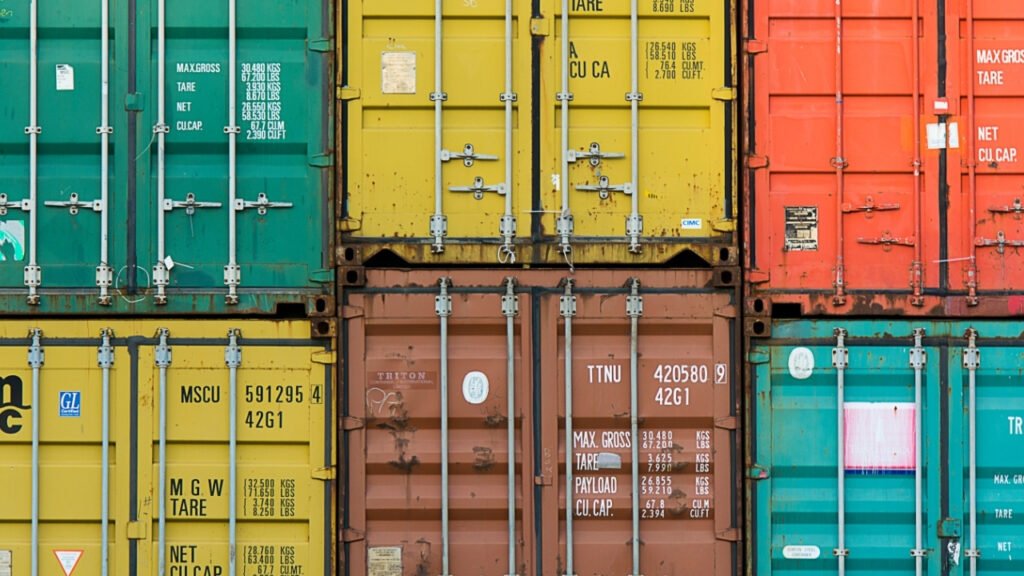
Look for the large identification code displayed on the exterior of the container.
The number may appear on multiple sides of the container so that it can be identified during terminal and transportation operations.
Identify the first three letters. These represent the owner or principal operator code.
Check the fourth letter. For many standard freight containers, this is U.
The following six numbers identify the individual container.
The last digit is the check digit used for verification.
Finally, compare the complete container number with the booking confirmation, bill of lading, shipping instructions, terminal records, and other applicable documents.
The container number is not the only information displayed on a shipping container.
Containers can also carry several other important markings and identification details.
A container may display a size and type code that provides information about its dimensions and equipment type.
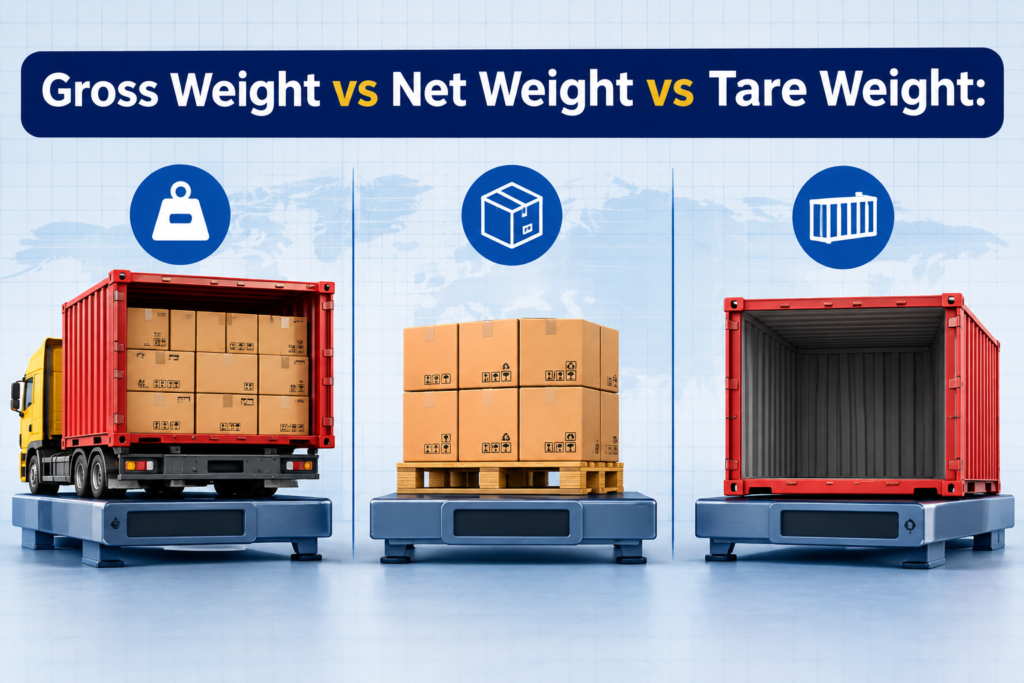
The maximum gross mass indicates the maximum permitted combined mass of the container and its contents under the applicable requirements.
The tare weight indicates the weight of the empty container.
The payload information indicates the cargo weight that can be carried within the applicable container limits.
The CSC safety approval plate provides important information about the container’s safety approval and technical characteristics.
For more information, see our guide to What Is a CSC Plate? Container Safety Requirements Explained.
The container number plays an important role throughout the shipping process.

It provides a unique identification reference for the physical container.
Shipping lines, freight forwarders, terminals, and logistics providers can use the container number when recording and tracking container movements.
The container number is recorded on various shipping and transportation documents.
It helps connect the physical container with the cargo, booking, and shipment records.
Ports and terminals use container identification information when receiving, storing, moving, loading, and releasing containers.
Container identification may also be required as part of customs, regulatory, and international shipping processes.
The container number can appear in many parts of the shipping process.
Depending on the shipment, it may be recorded in:
Keeping the container number consistent across documents helps reduce delays and administrative errors.
Container numbers can be difficult to read when markings are dirty, damaged, faded, or viewed from a distance.
Letters and numbers can sometimes be confused when entering a container number manually.
For example, characters that look similar may be entered incorrectly, especially when the container is being recorded from a photograph or handwritten note.
Another common mistake is entering only the owner code and serial number while leaving out the final check digit.
The physical container number should always be compared with the number shown on the shipping documents.
If the container number is faded, damaged, or difficult to read, confirm it through another reliable source before using it in shipping documentation.
Use this checklist when recording a shipping container number:
| Check | What to Confirm |
|---|---|
| Owner code | Confirm the first three letters. |
| Equipment category | Check the fourth character. |
| Serial number | Confirm all six digits. |
| Check digit | Record the final digit. |
| Physical container | Compare the number with the markings on the actual container. |
| Documents | Make sure the number matches the shipping documentation. |
| Container condition | Check that markings are readable and not significantly damaged. |
A shipping container number is more than a simple identification code. Its standardized structure provides information that helps identify the container owner or operator, equipment category, individual container, and verification digit.
For exporters, importers, freight forwarders, shipping lines, and logistics companies, accurately recording the container number is an important part of international shipping documentation and container handling.
When preparing a shipment, always compare the container number displayed on the physical container with the booking and shipping documents. Also check other important markings such as the container’s size and type code, weight information, and CSC plate.
Accurate container identification can help reduce documentation errors, improve shipment coordination, and support smoother cargo movement from origin to destination.
A standard container identification number generally contains 11 characters: four letters, six serial-number digits, and one check digit.
The first three letters identify the registered owner or principal operator associated with the container.
The fourth character identifies the equipment category. The letter U is commonly used for freight containers.
The six digits are the container’s serial number, which identifies the individual container within the owner’s identification system.
The final number is the check digit. It is calculated from the preceding characters and is used to help verify the accuracy of the container identification number.
Checking the container number helps ensure that the physical container matches the booking, shipping documents, terminal records, and other shipment information.
No. The container number identifies the physical container, while a booking number identifies the shipment reservation or booking associated with the transportation service.
Speak with our team to find the best shipping solutions for your business.
+230 52583493

How to Read a Shipping Container Number: A Simple Guide A shipping container number is…
Freight Prepaid vs Freight Collect: What Exporters Need to Know Freight Prepaid and Freight Collect…

7 Types of Bill of Lading Every Exporter Should Know A Bill of Lading, commonly…
Let’s work together to simplify your logistics and ensure fast, secure, and timely delivery of your shipments.

Your Trusted Partner in End-to-End Supply Chain Management, Offering Expertise, Reliability, and On-Time Delivery Across the Globe.