

How to Read a Shipping Container…
How to Read a Shipping Container Number: A Simple Guide A shipping container number is…

END TO END Solution
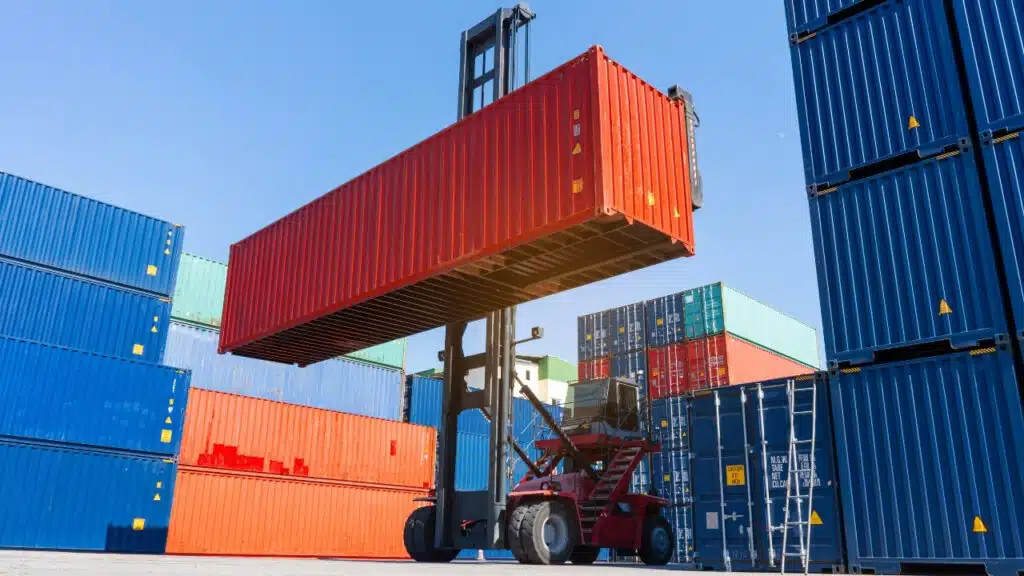
FCL (Full Container Load) shipping is one of the most widely used methods in international freight transportation. It allows a single shipper to use an entire container exclusively for their goods. FCL Shipping is ideal for businesses dealing with large-volume shipments, high-value products, or time-sensitive deliveries.
In global trade, choosing the right shipping method can significantly impact logistics cost, efficiency, and supply chain performance. FCL stands out as a preferred option for exporters and importers who want reliability, reduced risk, and optimized container usage. Understanding how FCL works helps businesses make smarter freight decisions and improve overall shipping efficiency.
Table of Contents
FCL (Full Container Load) shipping is a method where one shipper books and uses an entire container to transport goods. The container is dedicated to a single shipment and is not shared with other shippers, giving the shipper greater control over cargo space, handling, and security. Once the goods are loaded, the container is sealed and transported from the origin to the destination.

FCL shipping is commonly used for large or high-volume shipments that can efficiently fill most or all of a container. It can offer faster transit times, fewer handling points, and lower risk of cargo damage because the goods are not combined with other shipments. For businesses involved in regular international trade, FCL can be a practical option when security, speed, and efficient cargo handling are important.
FCL shipping works by allocating a full container to one customer’s cargo. The shipper books a container through a freight forwarder or shipping line. The goods are then transported to a warehouse or port for loading. Once the container is filled, it is sealed and moved directly to the port of departure. After customs clearance, it is shipped to the destination port and delivered to the consignee without mixing with other shipments.
The FCL shipping process follows a structured flow to ensure smooth international transport:
This structured process ensures efficiency, security, and reduced transit delays.
Container stuffing refers to how goods are loaded into the FCL container. Proper stuffing is important for cargo safety and space optimization.
Common stuffing options include:
Proper stuffing ensures maximum space utilization, cargo stability, and reduced risk of damage during transit.
Loading time in FCL shipping depends on cargo volume, warehouse readiness, and port schedules. Since the entire container is used by one shipper, loading is usually faster and more organized compared to shared shipping methods. Proper planning helps reduce delays and ensures smooth dispatch.
Key points:
Most FCL shipments use standard container sizes such as 20 foot and 40 foot units, along with specialized containers for specific cargo needs.

| Container Type | Size / Capacity | Common Use |
|---|---|---|
| 20ft Standard | 33 cubic meters | Heavier cargo such as tiles, machinery, metal parts, and dense goods |
| 40ft Standard | 67 cubic meters | Lighter but larger goods like furniture, textiles, and packaged products |
| 40ft High Cube | 76 cubic meters | Bulky or lightweight cargo requiring extra vertical space |
| Reefer (Refrigerated) | 20ft or 40ft | Temperature sensitive goods such as food, pharmaceuticals, and perishables |
| Open Top / Flat Rack | Varies by requirement | Oversized cargo like heavy machinery, construction materials, and equipment |
FCL shipping costs are calculated based on several fixed and variable components. Unlike LCL, pricing is more straightforward but still depends on multiple factors.
Key points:
Let’s assume you are shipping a 20ft container from China (Shanghai) to Mauritius (Port Louis). Below is a typical estimated cost structure:
| Cost Component | Example Price (USD) |
|---|---|
| Ocean Freight | 1,200 |
| Port Handling (Origin) | 180 |
| Port Handling (Destination, Port Louis) | 220 |
| Documentation Charges | 90 |
| Insurance | 70 |
| Customs Clearance (Mauritius) | 110 |
| Inland Transport (if applicable) | 150 |
| Total Estimated Cost | 2,020 USD |
Optimizing FCL shipping costs requires planning, negotiation, and smart logistics decisions. Businesses can significantly reduce expenses with the right strategy.
Key tips:
FCL (Full Container Load) shipping is the best option when your cargo volume is large enough to fill a full container or when shipment efficiency, speed, and security are priorities. It is widely used in international trade for bulk and high value goods.
Key points:
Many businesses face unnecessary costs and delays due to avoidable mistakes in FCL shipping. Proper planning and awareness can significantly improve efficiency.
Common mistakes:
How to avoid them:
Proper documentation is essential for smooth customs clearance and hassle free international shipping. FCL documentation is simpler compared to LCL because it involves only one shipper.
Key documents include:
Accurate documentation ensures faster clearance and avoids delays at ports.
Incoterms define the responsibilities of buyers and sellers in international shipping, including costs, risks, and delivery points. In FCL shipping, Incoterms play a key role in determining who handles what.
Key points:
Important notes:
FCL (Full Container Load) shipping offers several benefits that make it a preferred choice for global trade, especially for large volume shipments.
Key advantages:
While FCL shipping is highly efficient, it also comes with certain limitations that businesses must consider.
Key challenges:
Modern logistics technology has significantly improved visibility and control over FCL shipments, making global trade more efficient.
Key tools and benefits:
Choosing between FCL and LCL depends on shipment size, budget, urgency, and business goals.
Choose FCL if:
Choose LCL if:
In many cases, businesses use a hybrid approach combining both FCL and LCL for maximum flexibility and cost efficiency.
FCL shipping is one of the most efficient and secure methods in international logistics, offering faster transit times, reduced handling risks, and better cost efficiency for bulk shipments. However, it is most effective when container space is fully utilized.
Understanding when to use FCL versus LCL helps businesses optimize their supply chain, reduce shipping costs, and improve overall logistics performance. A well planned shipping strategy ensures smoother global trade operations and long term business growth.
1. What is FCL shipping?
FCL (Full Container Load) shipping is when a single shipper uses an entire container exclusively for their goods, ensuring better security and faster transit.
2. When should I choose FCL shipping?
You should choose FCL when shipping large volumes, high value cargo, or when you need faster and more secure delivery.
3. Is FCL cheaper than LCL?
FCL is more cost effective for bulk shipments because the per unit cost decreases when the container is fully utilized.
4. What are the main benefits of FCL shipping?
FCL offers faster transit, lower handling risk, better cargo safety, and more predictable shipping schedules.
5. What documents are required for FCL shipping?
Common documents include the Bill of Lading, Commercial Invoice, Packing List, Customs Declaration, and Certificate of Origin (if required).
6. How is FCL shipping cost calculated?
FCL cost is based on container size, shipping route, port charges, fuel surcharges, customs fees, and inland transport costs.
7. What is the difference between FCL and LCL shipping?
FCL uses a full container for one shipper, while LCL shares container space with multiple shippers, making FCL faster and more secure.
The file is also in the outputs above if you want to download it directly.
Speak with our team to find the best shipping solutions for your business.
+230 52583493
How to Read a Shipping Container Number: A Simple Guide A shipping container number is…
Freight Prepaid vs Freight Collect: What Exporters Need to Know Freight Prepaid and Freight Collect…

7 Types of Bill of Lading Every Exporter Should Know A Bill of Lading, commonly…
Let’s work together to simplify your logistics and ensure fast, secure, and timely delivery of your shipments.

Your Trusted Partner in End-to-End Supply Chain Management, Offering Expertise, Reliability, and On-Time Delivery Across the Globe.