

How to Read a Shipping Container…
How to Read a Shipping Container Number: A Simple Guide A shipping container number is…

END TO END Solution
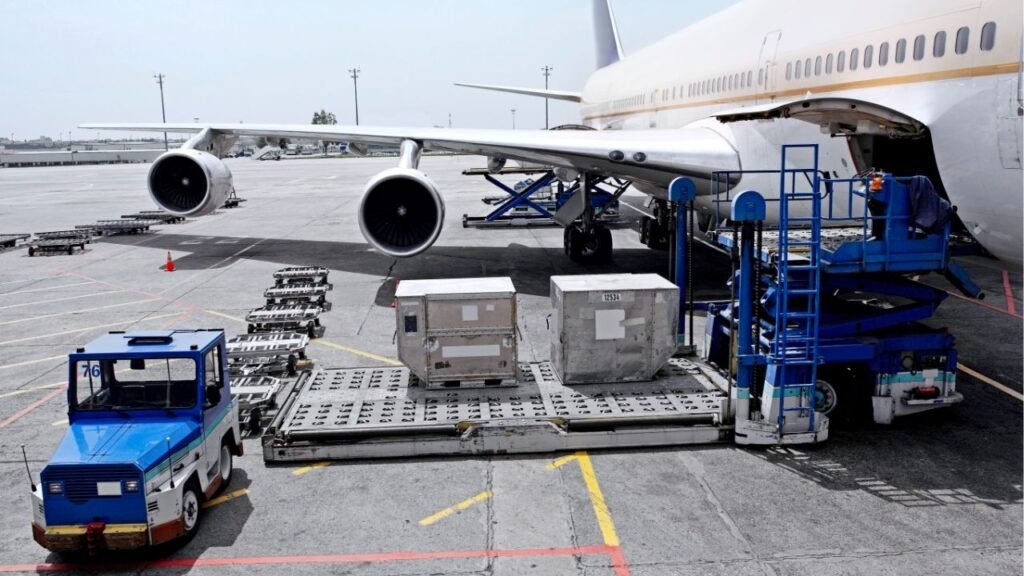
Air freight is one of the fastest ways to move goods internationally. Businesses using professional air freight services can benefit from faster transit times and reliable international cargo transportation.
Air freight pricing is not based on cargo weight alone. Airlines and freight forwarders consider several factors, including chargeable weight, cargo volume, origin and destination, fuel costs, shipment type, seasonality, delivery speed, and additional handling requirements.
This guide explains the main factors affecting air freight rates and provides practical ways to manage your shipping costs.
Table of Contents
Air freight rates are the transportation charges associated with moving cargo by aircraft from one location to another.
The final price usually includes more than the basic airline transportation charge. Depending on the shipment, businesses may also pay handling, documentation, customs, fuel, security, and other service-related fees.
The rate offered by a freight forwarder may differ from the basic airline rate. Professional freight forwarding services can help businesses compare routes, carriers, surcharges, and overall shipping costs.
One of the most important factors affecting air freight rates is chargeable weight.
Airlines generally consider both actual weight and volumetric weight when determining the chargeable weight of a shipment.
The higher applicable weight is generally used to determine the chargeable weight.
Suppose your shipment has:
The shipment may be charged based on 120 kg rather than 80 kg.
Large, lightweight cargo can occupy significant aircraft space. Charging based on volume helps airlines account for the limited capacity available inside aircraft.
Understanding the difference between actual and volumetric weight is essential when calculating air shipping costs.

Actual weight is the physical weight of your cargo, usually measured in kilograms.
Volumetric weight reflects the amount of space your shipment occupies.
A commonly used formula is:
Volumetric Weight = Length × Width × Height ÷ Dimensional Factor
The dimensional factor can vary depending on the carrier, route, and service.
Important: Always confirm the applicable dimensional factor with your airline or freight forwarder before calculating the final cost.
The route itself can have a major effect on air freight rates.
Some international routes have frequent flights and high cargo capacity, while others have limited connections.
A shipment between major international cargo hubs may have more competitive rates than a shipment requiring multiple connections or limited-flight routes.
Fuel is a major operating expense for airlines, so changes in fuel prices can influence air freight pricing.

Freight quotes may include a fuel surcharge in addition to the base transportation rate.
Because these costs can change, an air freight quote received today may not remain the same indefinitely.
Ask your freight forwarder whether the quoted price includes the following charges:
This helps prevent unexpected costs later.
Not all products have the same handling requirements. Cargo that requires special handling can cost more than standard general cargo.
Special cargo may require additional packaging, documentation, storage, security, or handling procedures.
Accurate information helps your freight forwarder provide a more reliable quotation.
The amount of cargo you ship can influence the rate you receive.
Freight forwarders may have access to different airline contracts and volume-based pricing arrangements.
However, larger shipments can also face capacity limitations during busy periods.
If your company ships frequently, discuss your expected monthly or quarterly volume with a freight forwarder. Consistent shipping volume may help with rate negotiations and capacity planning.
Air freight rates can change based on supply and demand. During periods when cargo demand increases, available aircraft capacity can become limited.
When demand is high, businesses may face:
Booking shipments earlier can provide more flexibility when demand is expected to increase.
The urgency of your shipment can also affect its cost.
Different services may offer different combinations of speed, routing, and handling.
A faster service may cost more because it can require priority handling, faster connections, or dedicated capacity.
Before selecting the fastest option, consider:
The cheapest service is not always the best option, and the fastest service is not always necessary.
The quoted air freight rate may not represent your complete logistics cost. Additional charges can arise at different stages of the shipment.
When comparing freight forwarders, ask for a breakdown of:
Freight + Surcharges + Handling + Customs + Delivery
This makes it easier to compare the actual logistics cost rather than comparing only the headline freight rate.
Businesses shipping internationally may also benefit from professional customs clearance services to help manage import documentation, customs procedures, and compliance requirements.
International air freight involves more than moving cargo from one airport to another.
Incorrect documentation can result in delays, storage charges, customs issues, or additional administrative costs.
Accurate documentation can help reduce delays and unexpected costs.
Businesses can take several practical steps to manage air freight rates without compromising shipment reliability.
Use protective packaging while avoiding excessive empty space.
Efficient carton sizes can reduce volumetric weight.
Where timing allows, combining smaller shipments can improve overall transportation efficiency.
A direct flight may be faster, while a connecting service may provide a lower rate.
Avoid last-minute bookings during peak periods.
Businesses with consistent shipment volumes can discuss long-term pricing with freight forwarders.
Do not compare only the base freight rate. Consider handling, surcharges, customs, storage, and delivery.
For large or non-urgent cargo, sea freight services may be more economical than air freight. Comparing transit time, cargo volume, and total logistics costs can help businesses select the right transportation method.
Understanding air freight rates is essential for businesses that regularly import or export goods internationally. The final cost depends on multiple factors, including chargeable weight, cargo dimensions, route, fuel surcharges, cargo type, capacity, seasonality, delivery speed, and additional logistics charges.
Businesses can control costs by improving packaging, planning shipments early, comparing routes, consolidating cargo, and requesting transparent quotations.
For complex international shipments, working with an experienced freight forwarder can help businesses select the right service and manage the shipping process more efficiently.
Need help managing your international shipments? Contact our logistics team to discuss your shipping requirements and request a shipping quote.
Air freight rates are the transportation charges for moving cargo by aircraft. They can depend on chargeable weight, route, cargo type, fuel surcharges, capacity, and additional handling costs.
Air freight rates are commonly calculated using the shipment’s chargeable weight, which may be based on actual weight or volumetric weight, depending on which is higher under the applicable carrier rules.
Volumetric weight accounts for the amount of space cargo occupies inside an aircraft. Large, lightweight shipments may therefore be charged according to their volume rather than their physical weight.
Air freight rates can change due to fuel prices, cargo demand, available aircraft capacity, seasonality, route conditions, airport charges, and other market factors.
You can potentially reduce air freight costs by optimizing packaging, reducing volumetric weight, consolidating shipments, planning ahead, comparing routes, negotiating regular shipment volumes, and comparing total logistics costs.
Speak with our team to find the best shipping solutions for your business.
+230 52583493
How to Read a Shipping Container Number: A Simple Guide A shipping container number is…
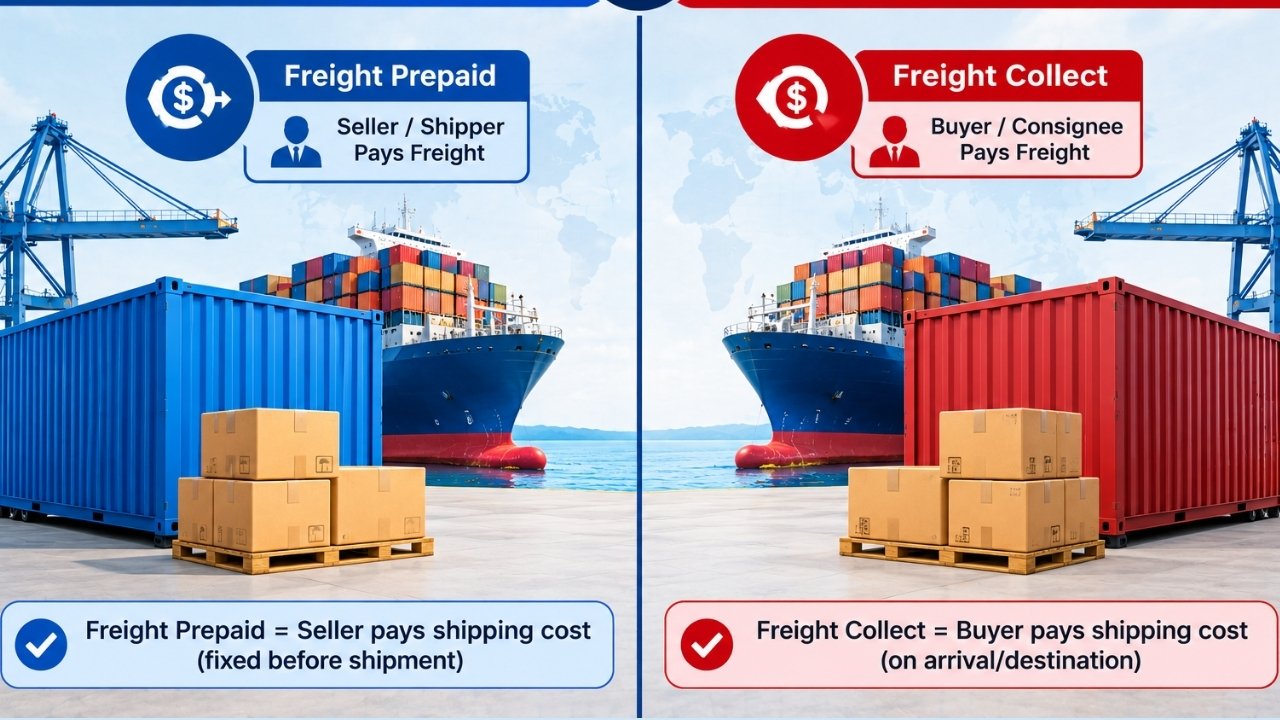
Freight Prepaid vs Freight Collect: What Exporters Need to Know Freight Prepaid and Freight Collect…

7 Types of Bill of Lading Every Exporter Should Know A Bill of Lading, commonly…
Let’s work together to simplify your logistics and ensure fast, secure, and timely delivery of your shipments.

Your Trusted Partner in End-to-End Supply Chain Management, Offering Expertise, Reliability, and On-Time Delivery Across the Globe.