
How to Read a Shipping Container…
How to Read a Shipping Container Number: A Simple Guide A shipping container number is…

END TO END Solution
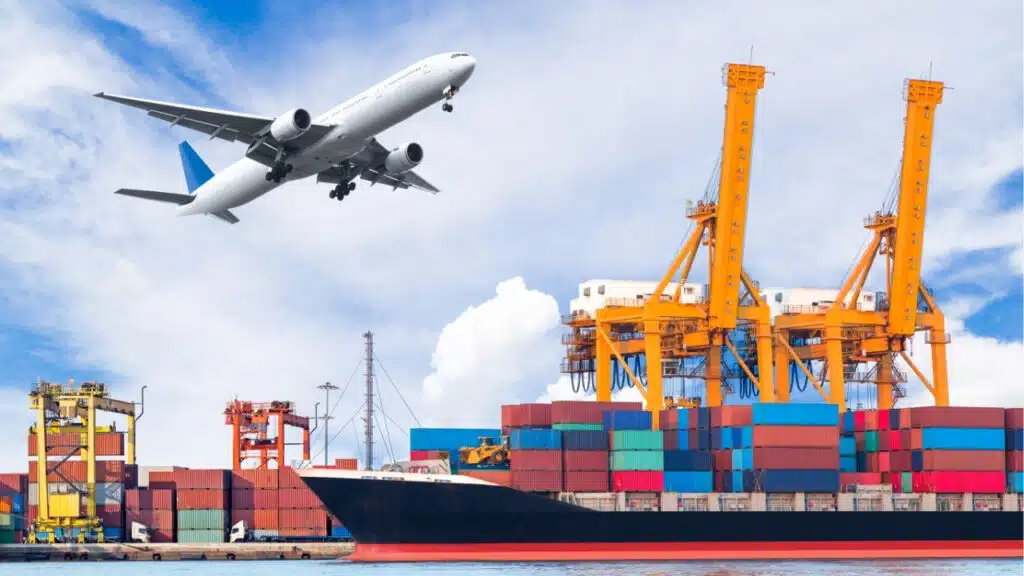
Choosing the right transportation method is an important decision when shipping goods internationally. Two of the most common options are air freight and sea freight. Both methods can move cargo across borders, but they differ significantly in speed, cost, capacity, and suitability for different types of shipments.
So, when comparing air freight vs sea freight, which option is better?
The answer depends on several factors, including your shipment size, budget, delivery deadline, cargo type, destination, and business requirements.
Air freight is generally preferred when speed is the priority, while sea freight is often more suitable for large, heavy, or less time-sensitive shipments. Understanding the differences can help you choose the most efficient shipping method for your business.
Table of Contents
Air freight is the transportation of goods by aircraft. It is commonly used for international shipments that require faster delivery.
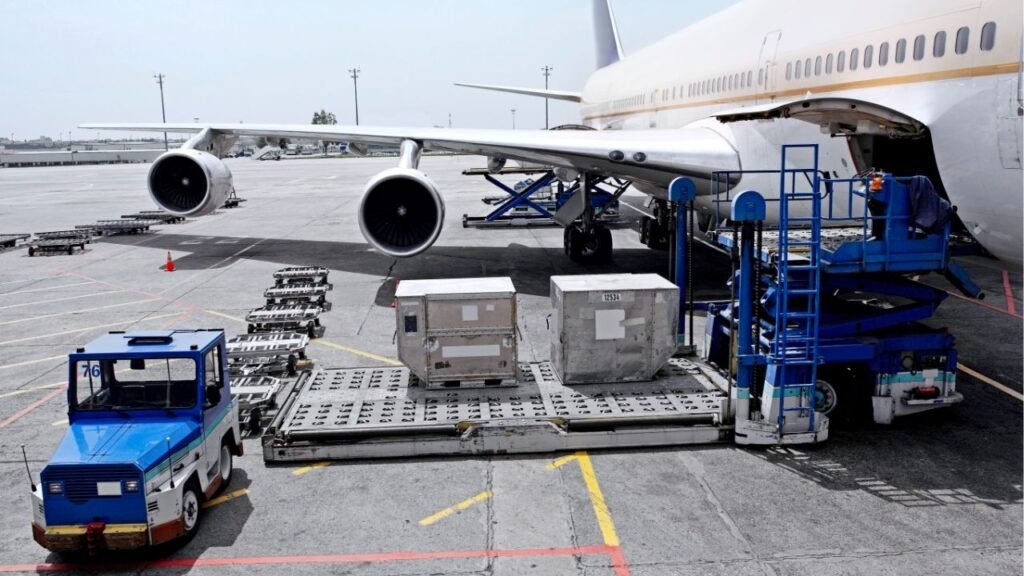
Businesses often use air freight for:
Air freight typically offers much faster transit than ocean shipping, although the actual delivery time depends on the origin, destination, flight availability, customs clearance, and final-mile transportation.
Businesses that need faster international transportation can explore professional air freight services based on their shipment requirements.
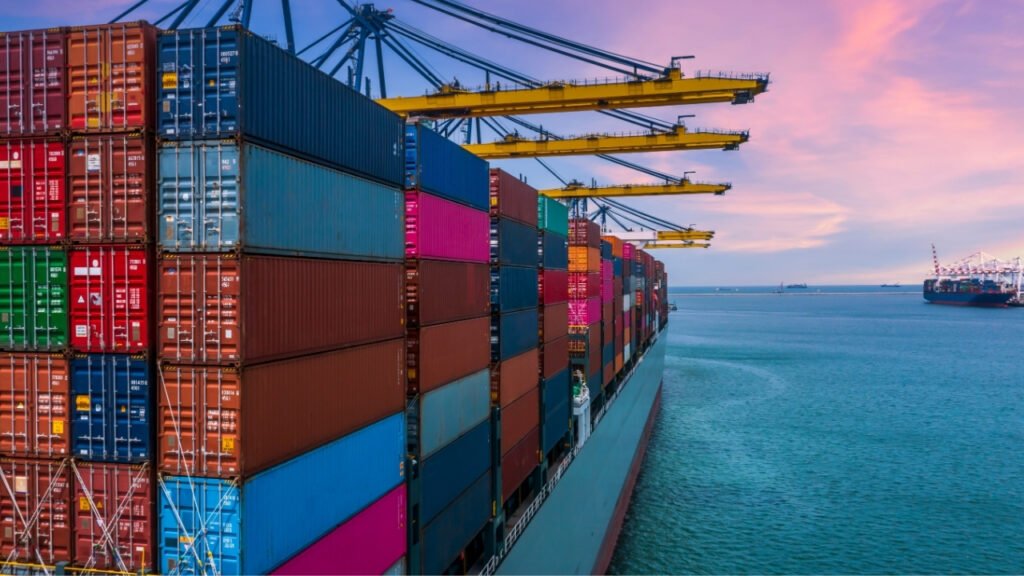
Sea freight is the transportation of goods by cargo ships. It is one of the most widely used methods for moving large quantities of goods internationally.

Sea freight is commonly used for:
Sea freight can be significantly more economical than air freight for larger shipments, especially when delivery time is not the main priority.
Businesses can consider sea freight services when they need to move larger quantities of cargo internationally while managing transportation costs.
The main difference between air freight and sea freight is the balance between speed, cost, and capacity.
Air freight prioritizes speed and is generally suitable for shipments where delivery time is critical.
Sea freight prioritizes capacity and cost efficiency, making it suitable for larger shipments that can tolerate longer transit times.
Several factors should be considered before choosing between these two international shipping methods.
| Factor | Air Freight | Sea Freight |
|---|---|---|
| Speed | Very fast | Slower |
| Cost | Generally higher | Generally lower for larger shipments |
| Capacity | More limited | Very high |
| Best for | Urgent and high-value goods | Large and heavy shipments |
| Transit Time | Usually days | Usually weeks |
| Shipment Size | Better for smaller shipments | Excellent for large shipments |
| Environmental Impact | Generally higher per tonne-km | Generally lower per tonne-km |
| Frequency | Depends on flight schedules | Depends on vessel schedules |
| Packaging | Often lighter packaging | May require robust packaging |
| Best Priority | Speed | Cost and capacity |
Actual transit times and costs vary by route, carrier, cargo characteristics, season, customs requirements, and other logistics factors.
Speed is one of the biggest differences between air freight and sea freight.

Air freight can move cargo between international destinations relatively quickly. Depending on the route and service, shipments may reach their destination within a few days, excluding additional time for customs clearance and local delivery.
This makes air freight suitable for:
Sea freight generally takes longer because vessels travel at slower speeds and may make multiple port calls.
Transit time can be affected by:
If your primary concern is getting the shipment delivered quickly, air freight is generally the better option.
Cost is often the deciding factor for businesses.

Air freight generally costs more per unit of weight or volume because aircraft have limited cargo capacity and higher operating costs.
Sea freight is generally more economical for large shipments because vessels can transport substantial amounts of cargo in a single journey.
However, the cheapest option is not always determined by the freight rate alone.
You should also consider:
For large or heavy shipments that are not urgent, sea freight is often the more economical choice.
Cargo capacity is another major difference between air freight and sea freight.
Aircraft have weight and volume limitations. This makes air freight less suitable for extremely large or heavy shipments.
Cargo ships can transport enormous quantities of goods. Businesses can use different container types and shipping options depending on their cargo.
For example, businesses can choose between:
If you are deciding between these two ocean-shipping options, our guide to FCL vs LCL Shipping can help you understand the key differences and choose the right option for your shipment.
Sea freight is generally the better choice when you need to transport large volumes or heavy cargo.
The type of product you are shipping also matters when choosing between air freight and sea freight.
The right choice depends on the product’s value, size, weight, urgency, and handling requirements.
Both air and sea freight can provide reliable international transportation, but each can face different operational challenges.
Air shipments may be affected by:
Ocean shipments may be affected by:
Neither option is completely free from delays. For time-sensitive cargo, businesses should consider the entire logistics process rather than looking only at transportation time.
Environmental impact is becoming an increasingly important consideration for businesses.
Air transportation generally produces higher emissions per tonne-kilometre compared with ocean transportation.
Sea freight is generally more fuel-efficient for transporting large quantities of cargo over long distances.
However, the overall environmental impact can vary depending on:
For businesses where delivery time allows, sea freight can generally offer a lower-emission transportation option per unit of cargo moved.
Packaging requirements can also differ between air and sea transportation.
Because air freight typically involves faster handling and different weight considerations, packaging may focus on:
Sea shipments may experience:
Therefore, cargo may require stronger protection depending on the product and route.
Your packaging should always be appropriate for the cargo and transportation conditions.
Air freight is generally a better choice when speed is more important than cost.
If customers need the products quickly, air freight can significantly reduce transportation time compared with ocean shipping.
For expensive products, faster transportation can reduce the time goods spend in transit.
Smaller shipments may be practical to move by air, particularly when delivery speed is important.
Product launches, events, seasonal sales, and emergency orders may require faster transportation.
Sea freight is generally a better choice when cost and capacity are more important than speed.
Ocean vessels can accommodate large quantities of cargo.
Heavy machinery and industrial goods are often more practical to transport by sea.
If you can plan inventory well in advance, the longer transit time may be acceptable.
For many large international shipments, sea freight can provide better cost efficiency.
Before selecting a transportation method, consider the following factors:
If the deadline is tight, consider air freight.
For large or heavy cargo, sea freight is often more practical.
If minimizing freight cost is the priority, sea freight may be preferable.
High-value and time-sensitive products may justify air transportation.
Urgent shipments generally favor air freight.
If you can order well ahead of demand, sea freight may provide better cost efficiency.
Available routes, flight schedules, ports, customs procedures, and inland transportation can all influence the best choice.
There is no single answer to which method is better. The right choice depends on your shipment requirements and business priorities.
The best shipping method is the one that balances cost, speed, cargo characteristics, and business requirements.
When comparing air freight vs sea freight, the right choice depends on your priorities.
Air freight offers speed and is well suited to urgent, high-value, and time-sensitive shipments. Sea freight provides greater capacity and is generally more cost-effective for large, heavy, and less time-sensitive cargo.
Before making a decision, consider your shipment’s:
By evaluating these factors together, you can select a shipping method that supports both your logistics requirements and overall business goals.
Yes. Air freight is generally much faster than sea freight, although actual transit time depends on the route, carrier, customs clearance, and final delivery.
For many large shipments, sea freight is generally more cost-effective than air freight. However, the final cost depends on shipment size, route, carrier, and additional logistics charges.
Sea freight is generally better suited to large and heavy shipments because ships offer much greater cargo capacity.
Air freight is generally better for urgent shipments because it offers significantly shorter transit times.
Generally, air freight produces higher emissions per tonne-kilometre than sea freight. However, the actual environmental impact depends on factors such as route, cargo weight, aircraft or vessel efficiency, and utilization.
For LCL cargo, sea freight is often suitable when the shipment is not urgent and cost is important. Air freight may be preferable when faster delivery is more important than transportation cost.
Yes. Businesses can use multimodal transportation or split inventory between air and sea to balance speed and cost.
Speak with our team to find the best shipping solutions for your business.
+230 52583493
How to Read a Shipping Container Number: A Simple Guide A shipping container number is…
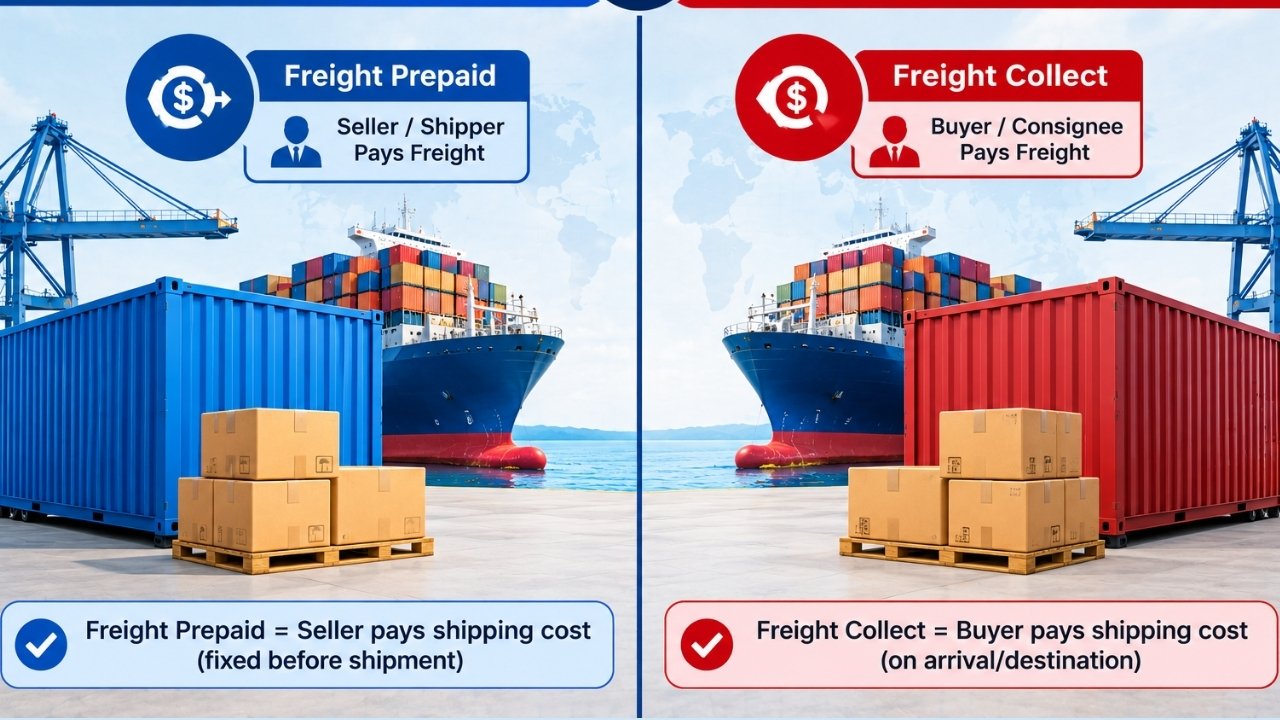
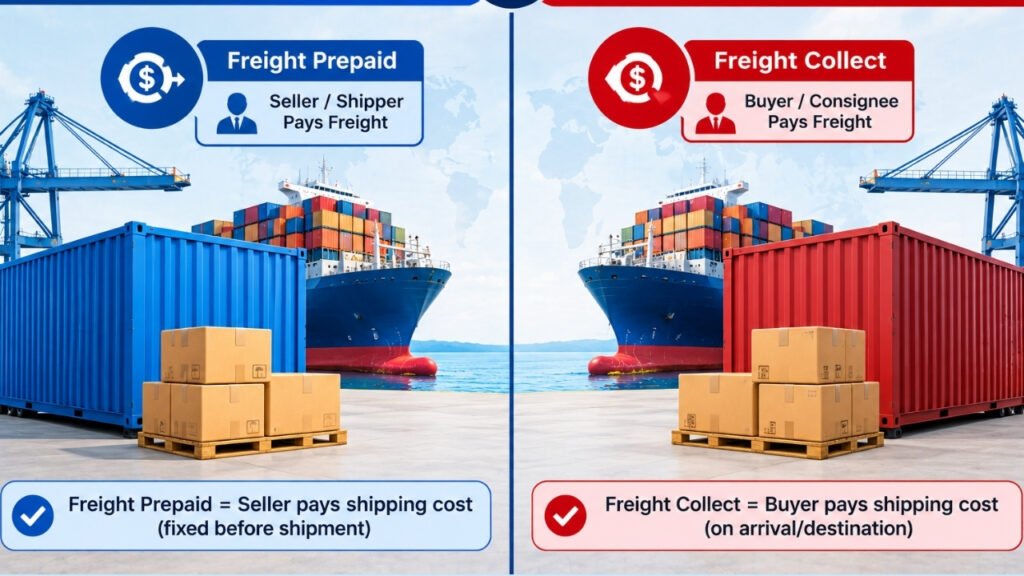
Freight Prepaid vs Freight Collect: What Exporters Need to Know Freight Prepaid and Freight Collect…
7 Types of Bill of Lading Every Exporter Should Know A Bill of Lading, commonly…
Let’s work together to simplify your logistics and ensure fast, secure, and timely delivery of your shipments.

Your Trusted Partner in End-to-End Supply Chain Management, Offering Expertise, Reliability, and On-Time Delivery Across the Globe.