


HS Codes: Why the Wrong Code…
HS Codes: Why the Wrong Code Costs You Money When you import or export goods…

END TO END Solution
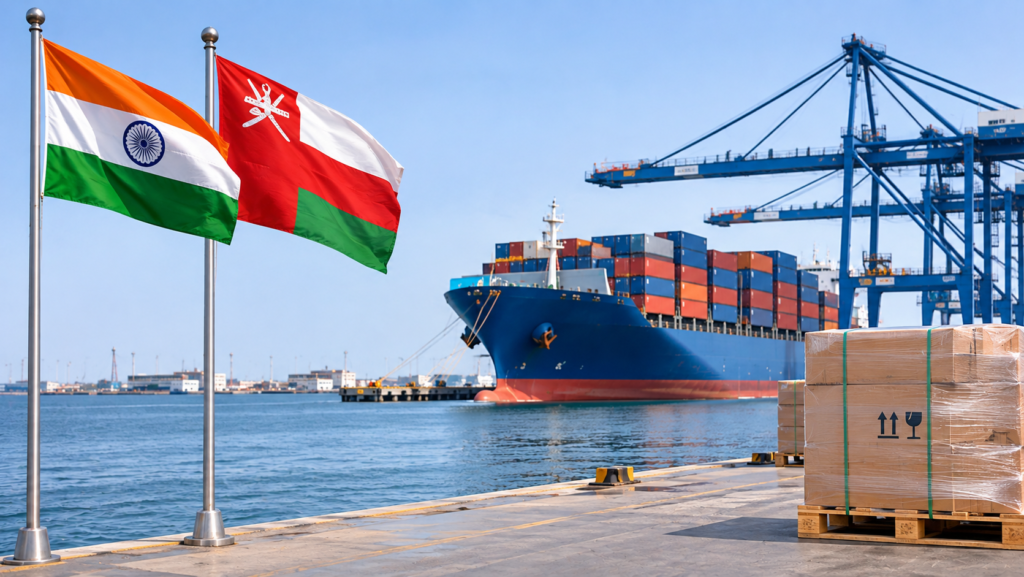
Shipping goods from India to Oman offers businesses an opportunity to expand into the Middle Eastern market. From machinery and industrial equipment to textiles, food products, pharmaceuticals, automotive components, and construction materials, Indian exporters supply a wide range of products to Omani businesses.
However, international shipping involves more than arranging transportation. Exporters must understand freight options, departure ports, shipping costs, export documentation, customs procedures, product requirements, and delivery arrangements before sending cargo to Oman.
Choosing the right logistics partner is equally important. Proper coordination between suppliers, freight forwarders, shipping lines, customs authorities, and importers can help reduce delays and manage transportation costs.
In this guide, we explain everything exporters should know about India to Oman shipping, including sea freight, air freight, major ports, shipping documents, customs clearance, and practical tips for managing international shipments.
Table of Contents
India and Oman have established strong commercial and trading relationships, creating opportunities for exporters across different industries.
Businesses in India export products such as machinery, engineering goods, textiles, chemicals, food products, pharmaceuticals, automotive components, and industrial materials to Oman.
However, exporting goods successfully requires careful planning. Businesses need to select the right shipping method, prepare accurate export documentation, understand destination customs requirements, and coordinate transportation from the supplier’s location to the final destination.
For example, an Indian manufacturer exporting industrial machinery to a buyer in Sohar must consider cargo dimensions, container requirements, export documentation, freight charges, customs procedures, and final delivery arrangements.
Working with an experienced freight forwarding company can help coordinate these activities and simplify international transportation.
Before arranging your next shipment, here are the key things every exporter should understand about shipping from India to Oman.
Selecting the right transportation method is one of the first decisions exporters need to make.
The two main options for shipping from India to Oman are sea freight and air freight. Each option offers different advantages depending on cargo volume, weight, delivery urgency, product type, and transportation budget.
Sea freight is a popular option for businesses exporting large commercial shipments, industrial equipment, construction materials, machinery, and bulk cargo.
It generally offers better transportation economics for larger shipments compared with air freight.
Exporters can choose between two main container shipping options.
Full Container Load (FCL) shipping is suitable when the exporter has enough cargo to book an entire container.
Common container options include:
Benefits of FCL shipping include:
Learn more about FCL shipping services for international container transportation.
Less Than Container Load (LCL) shipping is suitable when the shipment does not require an entire container.
Your cargo shares container space with goods belonging to other exporters or importers.
Benefits of LCL shipping include:
Explore our LCL shipping services to understand how shared-container transportation works.
Air freight is a suitable option for exporters handling urgent shipments, high-value products, smaller consignments, and time-sensitive commercial orders.
Common products transported through air freight include:
Air freight generally offers faster transportation than sea freight, although the cost per kilogram is usually higher.
Explore our air freight services for international cargo transportation.
| Comparison | Sea Freight | Air Freight |
|---|---|---|
| Transportation cost | Generally lower for larger shipments | Generally higher |
| Transit time | Longer | Shorter |
| Cargo volume | Suitable for large shipments | Suitable for smaller shipments |
| Heavy cargo | Suitable for heavy and oversized cargo, subject to limits | Subject to aircraft weight and dimensions |
| Best for | Machinery, industrial goods, bulk cargo | Urgent goods, high-value products, spare parts |
Tip: If you are exporting large quantities of commercial goods and delivery is not urgent, sea freight may be a suitable option. For urgent or high-value shipments, consider air freight.
Choosing the right departure and destination ports can influence transportation costs, vessel schedules, cargo handling, and overall delivery planning.
India has several commercial ports that support international cargo transportation to Oman.
1. Mundra Port, Gujarat
Mundra Port is an important commercial port on India’s western coast. It handles substantial container traffic and is a convenient option for exporters located in Gujarat and surrounding regions.
2. Nhava Sheva (JNPT), Mumbai
Jawaharlal Nehru Port, commonly known as Nhava Sheva, is one of India’s major container ports. It supports international shipping services and handles cargo from different industrial and commercial regions.
3. Chennai Port, Tamil Nadu
Chennai Port supports international cargo movement and serves exporters across southern India.
4. Cochin Port, Kerala
Cochin Port is an important option for exporters located in Kerala and nearby regions, including businesses shipping food products and commercial cargo.
5. Kandla Port, Gujarat
Kandla, also known as Deendayal Port, supports international cargo transportation and serves businesses across western and northern India.
1. Sohar Port
Sohar Port is an important industrial and commercial gateway in Oman. It supports containerized cargo, industrial shipments, raw materials, and international trade.
It is particularly relevant for businesses supplying industrial and commercial customers in northern Oman.
2. Port of Salalah
The Port of Salalah is a major port and international transshipment hub. It handles containerized cargo and connects shipping services across several international trade routes.
3. Port of Duqm
Port of Duqm supports commercial, industrial, and project cargo operations. It is relevant for businesses involved in industrial development and specialized cargo transportation.
4. Port Sultan Qaboos
Port Sultan Qaboos is located in Muscat. Exporters should confirm the availability of the required commercial cargo and container services before selecting this destination.
Before confirming a shipment, consider:
The nearest port is not always the most economical option. Compare the complete transportation cost before making a decision.
For cargo transportation between factories, warehouses, and ports, explore our road freight services.
India exports a wide range of products to Oman. However, the transportation method, packaging requirements, customs classification, and documentation can vary depending on the cargo type.
Understanding your product category helps exporters select suitable shipping arrangements and prepare the necessary documentation.
Machinery and Industrial Equipment
Industrial machinery, manufacturing equipment, mechanical components, and spare parts are important categories of commercial cargo.
Depending on their dimensions and weight, these shipments may require standard containers, open-top containers, flat racks, or specialized transportation arrangements.
Food and Beverage Products
India exports various food products, processed foods, beverages, spices, and agricultural commodities to international markets.
Some products may require health certificates, phytosanitary documentation, halal certification, or other regulatory approvals depending on the product and applicable Oman requirements.
Textiles and Garments
Textiles, apparel, fabrics, and finished garments are suitable for containerized commercial transportation. Exporters should ensure proper packaging, labelling, and product documentation.
Automotive Parts and Components
Automotive spare parts, accessories, mechanical components, and related products can be transported through suitable sea or air freight arrangements.
Explore our automotive shipping services for related cargo transportation requirements.
Pharmaceutical and Medical Products
Pharmaceuticals and medical supplies may require specific storage, handling, product registration, and regulatory approvals. Temperature-sensitive shipments may require specialized transportation arrangements.
Construction Materials
Construction materials, industrial metals, tiles, marble, and other building products can be transported through containerized or specialized cargo arrangements.
Chemicals and Industrial Materials
Chemicals and industrial products may require additional safety documentation, packaging standards, and regulatory approvals. Dangerous goods must comply with applicable transportation and handling regulations.
Different cargo categories may have different import requirements, customs duties, permits, and handling procedures.
Before shipping, confirm:
Shipping costs are an important consideration for exporters planning to enter the Oman market.
The final transportation cost depends on the cargo type, shipment volume, weight, shipping method, departure port, destination port, and additional logistics requirements.
Ocean or Air Freight Charges
The primary transportation charge for moving goods from India to Oman by sea or air.
Origin Charges
These may include:
Destination Charges
Depending on the shipping arrangement, these may include:
Additional Charges
Other possible expenses include:
| Cost Factor | How It Affects Shipping |
|---|---|
| Cargo weight | Influences transportation pricing, especially for air freight. |
| Cargo volume | Affects container space and chargeable weight. |
| Shipping method | Sea and air freight have different pricing structures. |
| Container type | Standard and specialized containers have different costs. |
| Departure port | Influences inland transportation and origin charges. |
| Destination port | Can affect routing and destination handling expenses. |
| Cargo type | Special handling and regulatory requirements may increase costs. |
| Delivery location | Inland transportation adds to the total logistics cost. |
For more information, read our guide on ocean freight charges explained.
Accurate documentation is essential when exporting goods from India to Oman.
Missing or inconsistent documents can result in customs queries, shipment delays, additional charges, and difficulties during cargo clearance.
Exporters should coordinate with their buyers and freight forwarders to confirm the documents required for their specific products and shipping arrangements.
The Importer Exporter Code (IEC) is generally required for businesses undertaking commercial exports from India.
It is issued by the Directorate General of Foreign Trade (DGFT) and is used for export-related regulatory and customs procedures, subject to applicable exemptions.
A commercial invoice provides details about the transaction between the exporter and the Omani buyer.
It generally includes:
A packing list provides details about the shipment’s packaging and contents.
It may include:
A Shipping Bill is an important customs document used for exporting goods from India.
It contains information about the exporter, buyer, product description, HS code, quantity, value, and applicable export declarations.
The document is generally filed electronically through the Indian Customs EDI system using ICEGATE, either directly or through an authorized customs broker.
A Bill of Lading (B/L) is issued for sea freight shipments and contains details about the shipper, consignee, cargo, vessel, and destination.
For air freight shipments, an Air Waybill (AWB) is used instead.
These documents provide essential transportation information for cargo tracking and destination customs procedures.
A Certificate of Origin identifies the country where the goods originate according to applicable origin rules.
It may be required for customs verification, trade agreement benefits, or specific buyer requirements.
For exporters seeking preferential tariff treatment under the India-Oman CEPA, the relevant preferential origin documentation and product-specific rules must be satisfied.
Depending on the type of goods, additional certificates or approvals may be required.
These may include:
| Document | Purpose |
|---|---|
| IEC | Exporter identification for applicable Indian export procedures. |
| Commercial Invoice | Provides transaction and product value details. |
| Packing List | Provides packaging, quantity, and weight details. |
| Shipping Bill | Supports Indian export customs clearance. |
| Bill of Lading | Sea freight transportation document. |
| Air Waybill | Air freight transportation document. |
| Certificate of Origin | Establishes the origin of goods. |
| Product Certificates | Supports applicable product-specific requirements. |
International shipments from India to Oman must complete the relevant export customs procedures in India and import customs procedures in Oman.
Understanding both sides of the process helps exporters coordinate with buyers, customs brokers, and freight forwarders.
Before cargo leaves India, the exporter must complete applicable export documentation and customs formalities.
A typical export clearance process involves:
For official export procedure information, refer to the Indian Customs ICEGATE portal and the DGFT website.
When goods arrive in Oman, the importer must complete the applicable import customs procedures before cargo can be released.
Oman Customs operates under the Royal Oman Police Directorate General of Customs.
Commercial customs declarations are processed through the Bayan customs single-window system.
A typical import customs process involves:
Some products may require approval from additional government authorities before release.
Importers can check the official Oman Customs declaration procedure and Oman import and export requirements before arranging shipments.
For businesses that need support coordinating international transportation and customs formalities, explore our customs clearance services.
The India-Oman Comprehensive Economic Partnership Agreement (CEPA) is an important development for businesses involved in trade between the two countries.
The agreement aims to improve market access, reduce trade barriers, and create additional opportunities for Indian exporters selling products in Oman.
CEPA stands for Comprehensive Economic Partnership Agreement. It is a trade agreement designed to strengthen commercial relationships between participating countries.
Under the India-Oman CEPA tariff commitments announced by the Government of India, Oman has offered zero-duty access on 98.08% of its tariff lines, covering 99.38% of India’s export value represented in the agreement’s reference data.
Major beneficiary sectors include:
Eligible exporters may benefit from:
Preferential duty benefits are not automatically available to every product simply because it is shipped from India.
Exporters and importers should verify:
Exporters should also check the current agreement implementation requirements and tariff schedule before quoting preferential prices to buyers.
For official information, refer to the Indian Department of Commerce and the Directorate General of Foreign Trade.
Transit time is another important factor when planning India to Oman shipping.
The actual transportation time depends on the departure port, destination port, shipping line, vessel schedule, direct or transshipment routing, cargo handling, and customs procedures.
Sea freight and air freight have different delivery timelines.
Departure Port
The selected Indian port and available vessel services influence the transportation schedule.
Shipping Line and Vessel Schedule
Different shipping lines offer different schedules, routes, and connections.
Transshipment
Some shipments may travel through an intermediate port before reaching Oman. This can increase the overall transportation time depending on connection schedules.
Customs Clearance
Incomplete documentation, inspections, missing permits, and outstanding customs requirements can delay cargo release.
Port Congestion
Terminal congestion and operational delays may affect vessel arrival, unloading, and cargo availability.
Final Delivery
After customs clearance, cargo may still require transportation from the destination port to the buyer’s warehouse, factory, or distribution centre.
Tip: Always request an estimated door-to-door delivery timeline rather than relying only on port-to-port transit time.
Understanding the complete shipping process helps exporters coordinate cargo preparation, transportation, export documentation, and delivery arrangements.
A typical shipment from India to Oman follows these steps.
Confirm the buyer’s location, product specifications, order quantity, delivery requirements, and applicable trade terms.
Provide your logistics provider with:
Choose FCL, LCL, or air freight depending on shipment volume, urgency, cargo type, and budget.
The logistics provider evaluates the cargo details, route, shipping schedule, and additional requirements before preparing a quotation.
Arrange the commercial invoice, packing list, applicable certificates, export declarations, and other supporting documents.
Cargo is collected from the supplier or delivered to the designated facility. The applicable Indian export customs procedures are completed.
The shipment moves from India to Oman by sea or air, depending on the selected service.
The importer or authorized customs representative submits the required declaration through Bayan and completes the applicable customs procedures.
After customs requirements, payments, and approvals are completed, the cargo is released for collection.
The shipment is transported to the buyer’s warehouse, factory, distribution centre, or requested destination.
Simple Shipping Flow:
Indian Supplier → Cargo Collection → Indian Port → Export Customs Clearance → International Freight → Oman Port → Oman Customs Clearance → Final Delivery
Even experienced exporters can encounter shipping problems when important details are overlooked.
Here are some common mistakes to avoid.
Selecting air freight for large non-urgent shipments or booking an entire container for a small consignment can increase transportation costs.
Compare FCL, LCL, and air freight before making a decision.
Incorrect weight, dimensions, or product descriptions can affect freight quotations and cargo handling arrangements.
Always confirm shipment details with your supplier.
Some products require import permits, licences, or additional regulatory approvals.
Confirm the applicable requirements with the buyer before dispatching cargo.
Incorrect product classification can create customs queries, additional duties, or clearance delays.
Verify the correct HS code before preparing the export and import documentation.
Exporters should not assume that every product qualifies for preferential customs duty treatment.
Check the applicable tariff concessions and rules of origin before claiming CEPA benefits.
Importers and exporters sometimes focus only on the basic freight quotation and overlook destination charges, customs fees, storage, and local transportation.
Calculate the complete shipping cost before confirming the order.
Missing commercial invoices, packing lists, or required certificates can create unnecessary customs delays.
Prepare the documents before cargo departure.
Use this checklist before arranging your next shipment from India to Oman.
Completing these checks before shipment can help reduce unexpected costs and improve international cargo coordination.
Choosing a reliable logistics partner can make a significant difference to your international shipping experience.
A freight forwarder helps coordinate different stages of cargo movement, from origin transportation to international freight arrangements and destination delivery.
For businesses exporting regularly from India to Oman, having an experienced logistics partner can simplify shipment coordination and improve visibility.
International Shipping Experience
Look for a provider familiar with international freight operations, export documentation, and cargo handling.
Sea and Air Freight Options
A logistics partner offering both transportation methods can help you select the appropriate shipping solution.
Customs Coordination
Proper coordination with customs brokers and relevant authorities can help reduce documentation-related issues.
Shipment Tracking
Regular updates help exporters understand shipment progress and respond to unexpected delays.
Transparent Pricing
Request a detailed quotation covering freight, handling, documentation, destination charges, and other applicable costs.
Cargo Handling Capabilities
If you export vehicles, machinery, industrial equipment, or specialized cargo, confirm that the provider can coordinate the necessary handling and transportation arrangements.
Clevertactic Ltd supports international cargo transportation and logistics coordination through services covering sea freight, air freight, road transportation, container shipping, and specialized cargo handling.
Whether you are exporting commercial goods, machinery, automotive products, or industrial materials, selecting the right transportation arrangement is essential.
Explore our logistics services and freight forwarding services to discuss your international shipping requirements.
Shipping from India to Oman requires careful planning across transportation, export documentation, customs clearance, freight costs, and final delivery.
Exporters should understand the available shipping methods, select suitable departure and destination ports, calculate the complete transportation cost, prepare accurate shipping documents, and verify Oman import requirements before dispatching their goods.
Understanding the India-Oman CEPA and applicable rules of origin can also help eligible exporters improve their competitiveness in the Omani market.
Working with a reliable logistics partner can simplify international transportation and help coordinate each stage of the shipment.
Whether you are exporting machinery, food products, construction materials, automotive parts, textiles, or general commercial cargo, the right shipping arrangement can help your business manage international trade more efficiently.
Planning your next shipment from India to Oman?
Connect with Clevertactic Ltd for international freight and logistics support. Our team can help coordinate your shipping requirements and suitable transportation arrangements.
Visit our logistics services page or contact our team to discuss your cargo requirements and request a shipping quotation.
The best shipping method depends on cargo volume, weight, product type, urgency, and budget. Sea freight is generally suitable for larger commercial shipments, while air freight is useful for urgent and smaller consignments.
Transit time depends on the departure port, destination port, shipping line, vessel schedule, direct or transshipment routing, and customs clearance. Request an estimated transit time for your specific shipment before booking.
Common departure port options include Mundra, Nhava Sheva (JNPT), Chennai, Cochin, and Kandla. The most suitable port depends on supplier location, available shipping services, cargo type, and total transportation cost.
Major commercial ports include Sohar, Salalah, and Duqm. The most suitable destination depends on cargo type, shipping service availability, and the buyer’s delivery location.
Sea freight is generally more economical for larger and heavier commercial shipments. Air freight usually costs more but offers faster transportation. The final cost depends on cargo weight, dimensions, service availability, and additional charges.
Common documents include an Importer Exporter Code (IEC), commercial invoice, packing list, Shipping Bill, Bill of Lading or Air Waybill, and applicable certificates of origin. Certain products may also require inspection certificates, health certificates, or other regulatory approvals.
The India-Oman Comprehensive Economic Partnership Agreement is a trade agreement designed to improve market access and reduce trade barriers. It provides significant tariff concessions for eligible Indian-origin products, subject to applicable rules of origin and customs requirements.
A Certificate of Origin may be required for customs verification, buyer requirements, or preferential tariff claims under an applicable trade agreement. Exporters should confirm the required certificate and rules of origin for their specific products.
Yes. Machinery and heavy equipment can be transported through suitable international freight arrangements. The transportation method depends on cargo dimensions, weight, handling requirements, and equipment type. Specialized cargo handling may be necessary.
To receive a quotation, provide your supplier location, destination, cargo description, weight, dimensions, number of packages, and preferred shipping method. A logistics provider can use these details to evaluate suitable transportation options and estimate the total shipping cost.
Speak with our team to find the best shipping solutions for your business.
+230 52583493
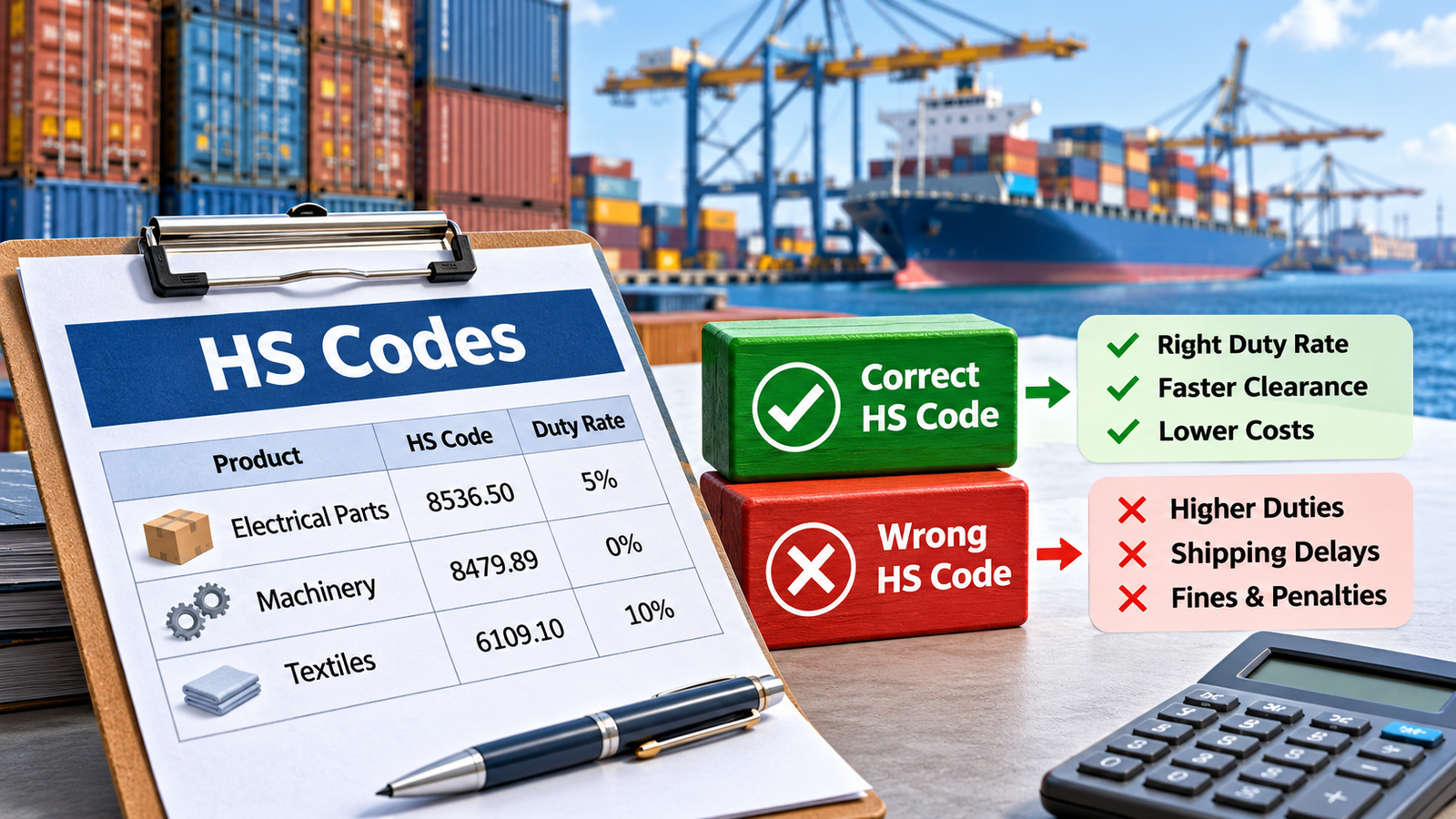
HS Codes: Why the Wrong Code Costs You Money When you import or export goods…

7 Hidden Shipping Charges Your Quote May Not Show International shipping involves more than choosing…
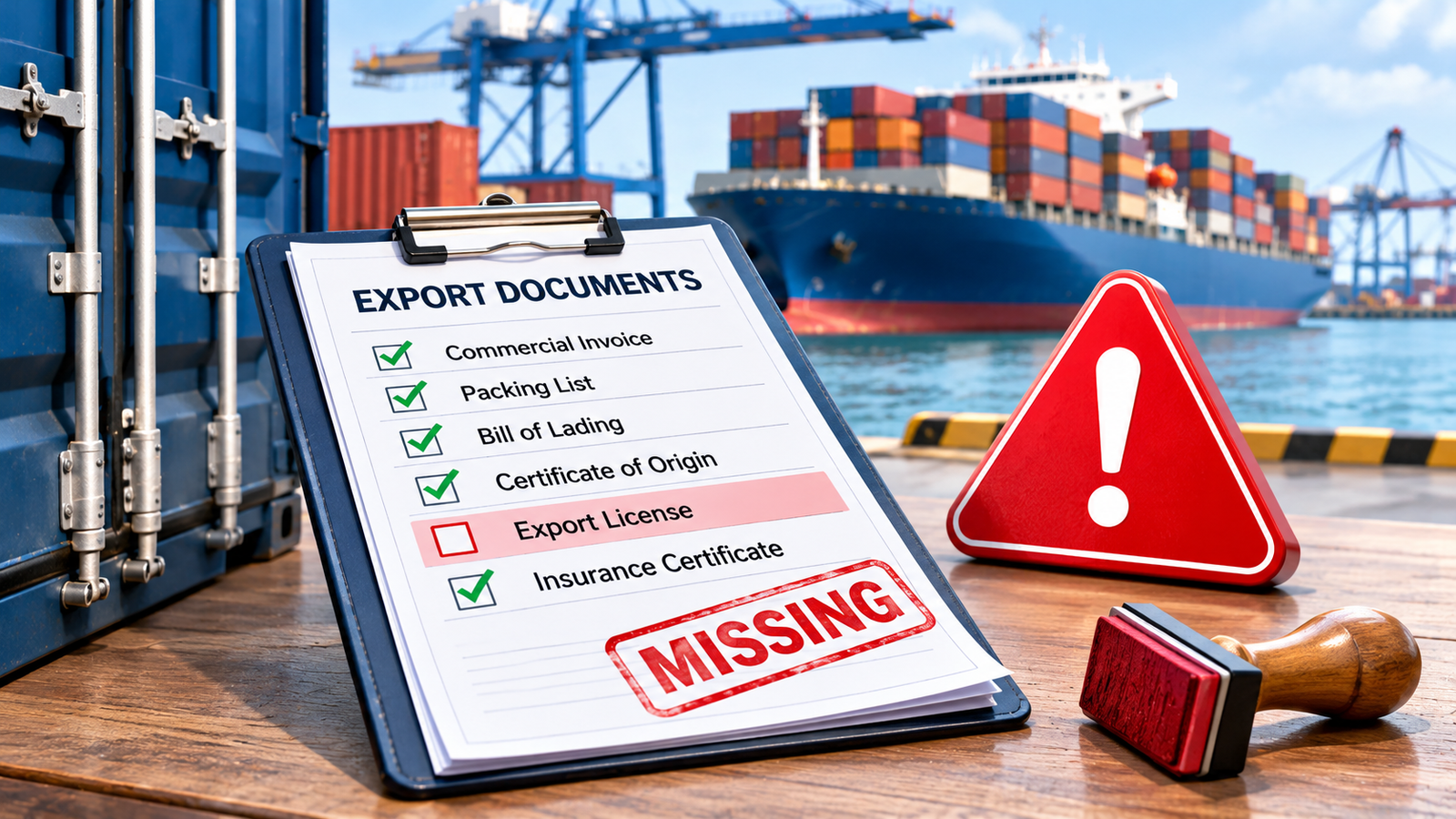
Export Packing List: 7 Details You Must Get Right International shipping involves more than booking…
Let’s work together to simplify your logistics and ensure fast, secure, and timely delivery of your shipments.

Your Trusted Partner in End-to-End Supply Chain Management, Offering Expertise, Reliability, and On-Time Delivery Across the Globe.