


HS Codes: Why the Wrong Code…
HS Codes: Why the Wrong Code Costs You Money When you import or export goods…

END TO END Solution
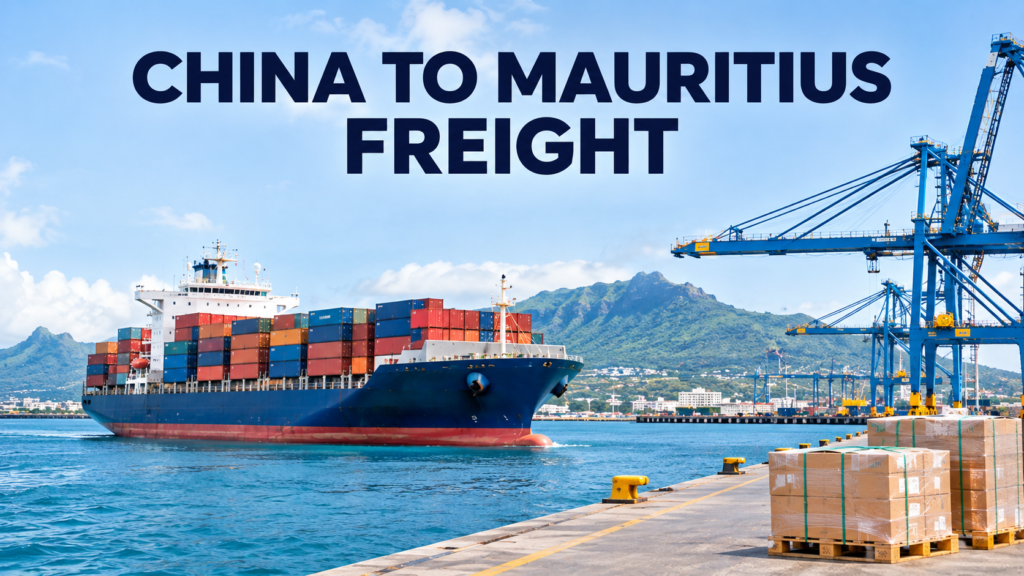
China is an important sourcing destination for Mauritian businesses importing electronics, textiles, machinery, construction materials, furniture, household products and industrial supplies. However, moving goods from China to Mauritius involves more than selecting a shipping company. Importers need to compare freight options, understand transit times, prepare the correct documents and plan for customs clearance.
Whether you are importing a few pallets or a full container, choosing the right freight solution can help control costs and avoid unnecessary delays. This guide explains the main shipping methods, estimated transit times, freight cost factors, required documents and customs procedures for shipping from China to Mauritius.
Table of Contents
Businesses in Mauritius import products from several Chinese manufacturing and trading centres. The right shipping arrangement depends on the supplier’s location, cargo dimensions, total weight, delivery deadline and final destination.
For large shipments, sea freight is generally the practical option because it offers container-based transportation. For urgent, lightweight or high-value cargo, air freight can reduce delivery time. Less-than-container-load shipping is useful when the cargo does not require a full container.
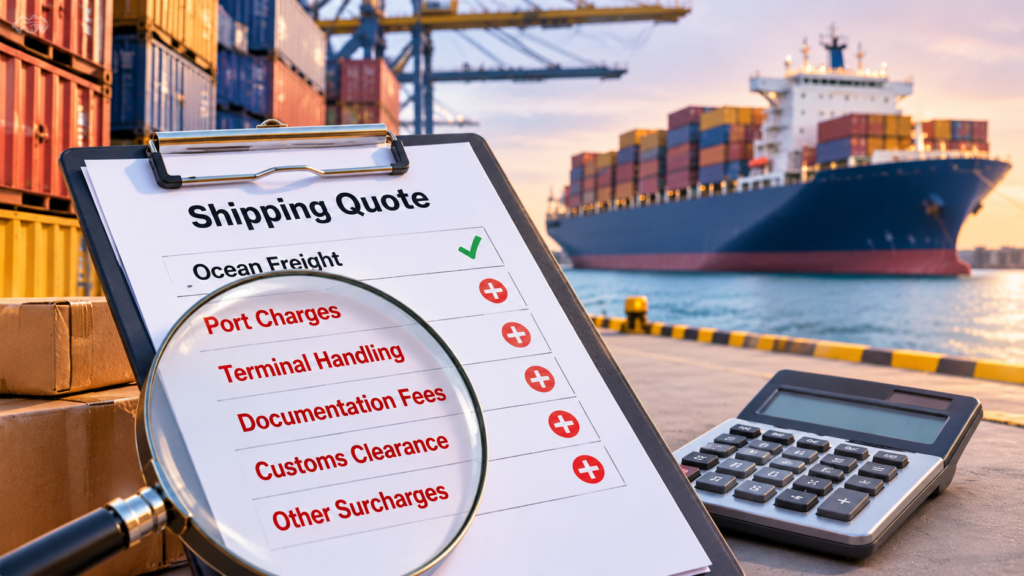
Before confirming a shipment, importers should compare the complete logistics cost rather than looking only at the quoted freight rate. Origin handling, export documentation, ocean or air freight, insurance, destination charges, customs duties, taxes and final delivery may all affect the total landed cost.
There are several ways to transport cargo from China to Mauritius. The most suitable option depends on shipment size, urgency and budget.
Sea freight is commonly used for commercial cargo, large orders, heavy machinery, furniture, construction materials and regular stock replenishment.
Importers can choose between two main container options:
FCL can offer better control over container handling and loading, while LCL allows smaller importers to avoid paying for unused container capacity.
Learn more about FCL shipping services and LCL shipping services.
Air freight is suitable for urgent shipments, samples, high-value products, electronics, spare parts and goods with short delivery deadlines.
It is generally faster than sea freight but costs more per kilogram. Airlines calculate chargeable weight using the shipment’s actual weight and volumetric weight. The higher figure is normally used for billing.
Air freight is worth considering when the cost of waiting for a sea shipment is greater than the additional transportation expense.
Explore air freight services for time-sensitive cargo.
| Shipping Method | Best For | Cost Level | Transit Time |
|---|---|---|---|
| FCL Sea Freight | Large shipments and full container loads | Generally economical for larger volumes | Several weeks |
| LCL Sea Freight | Small and medium cargo volumes | Based on shipment volume and weight | Several weeks, including consolidation |
| Air Freight | Urgent and high-value cargo | Generally higher | Usually a few days to around two weeks |
Transit times are planning estimates, not guaranteed delivery commitments. Actual schedules depend on the carrier, routing, consolidation, flight availability, port operations and customs clearance.
Transit time depends on the Chinese departure port or airport, the selected carrier, the shipping route and whether the cargo moves directly or through a transshipment hub.
As a general planning range, sea freight from China to Mauritius may take approximately 20–40 days port to port. Some services and routing combinations can take longer. LCL shipments may require additional time for consolidation and deconsolidation.
| Origin in China | Destination | Indicative Planning Range |
|---|---|---|
| Shanghai | Port Louis | Approximately 20–40 days |
| Ningbo | Port Louis | Approximately 20–40 days |
| Shenzhen / Yantian | Port Louis | Approximately 20–40 days |
| Qingdao | Port Louis | Approximately 25–45 days |
| Guangzhou / Shekou | Port Louis | Approximately 20–40 days |
These are broad estimates for initial planning, not port-specific carrier schedules. Always confirm the current sailing, transshipment points and estimated arrival date before booking.
Air freight can typically take around 3–10 days airport to airport, depending on flight availability, routing and handling arrangements. Door-to-door delivery takes additional time for collection, export processing, import customs clearance and final transportation.
To reduce delays, confirm cargo readiness early, check the shipping schedule and ensure all documents are accurate before dispatch.
There is no single fixed rate for shipping from China to Mauritius. Freight charges change according to the shipment’s origin, dimensions, weight, cargo type, shipping method, carrier availability and season.
For an accurate quotation, freight forwarders need the cargo details and the required service scope. A rate for port-to-port sea freight should not be compared directly with a door-to-door quotation that includes collection, customs handling and final delivery.
Air freight rates are influenced by chargeable weight, cargo dimensions, airline capacity, fuel-related charges, handling requirements and shipment urgency.
For example, a large but lightweight carton may have a higher volumetric weight than its actual weight. This can increase the chargeable weight and the final air freight cost.
When preparing your shipping budget, check whether the quotation includes the following:
For a better understanding of ocean freight charges, read Ocean Freight Charges Explained.
Provide your freight forwarder with the following information:
Providing complete information helps the freight forwarder calculate the correct shipping option and identify potential additional charges.
China has several major export ports that connect manufacturers and suppliers with international shipping routes. The best departure port depends on the supplier’s location, carrier services and cargo availability.
Port Louis is the principal commercial seaport of Mauritius and the main maritime gateway for international containerised cargo.
After arrival, cargo may need to undergo customs processing, inspection where required, terminal handling and transportation to the importer’s warehouse or delivery address.
Selecting a suitable Chinese departure port can help reduce inland transportation costs and improve the overall shipping schedule.
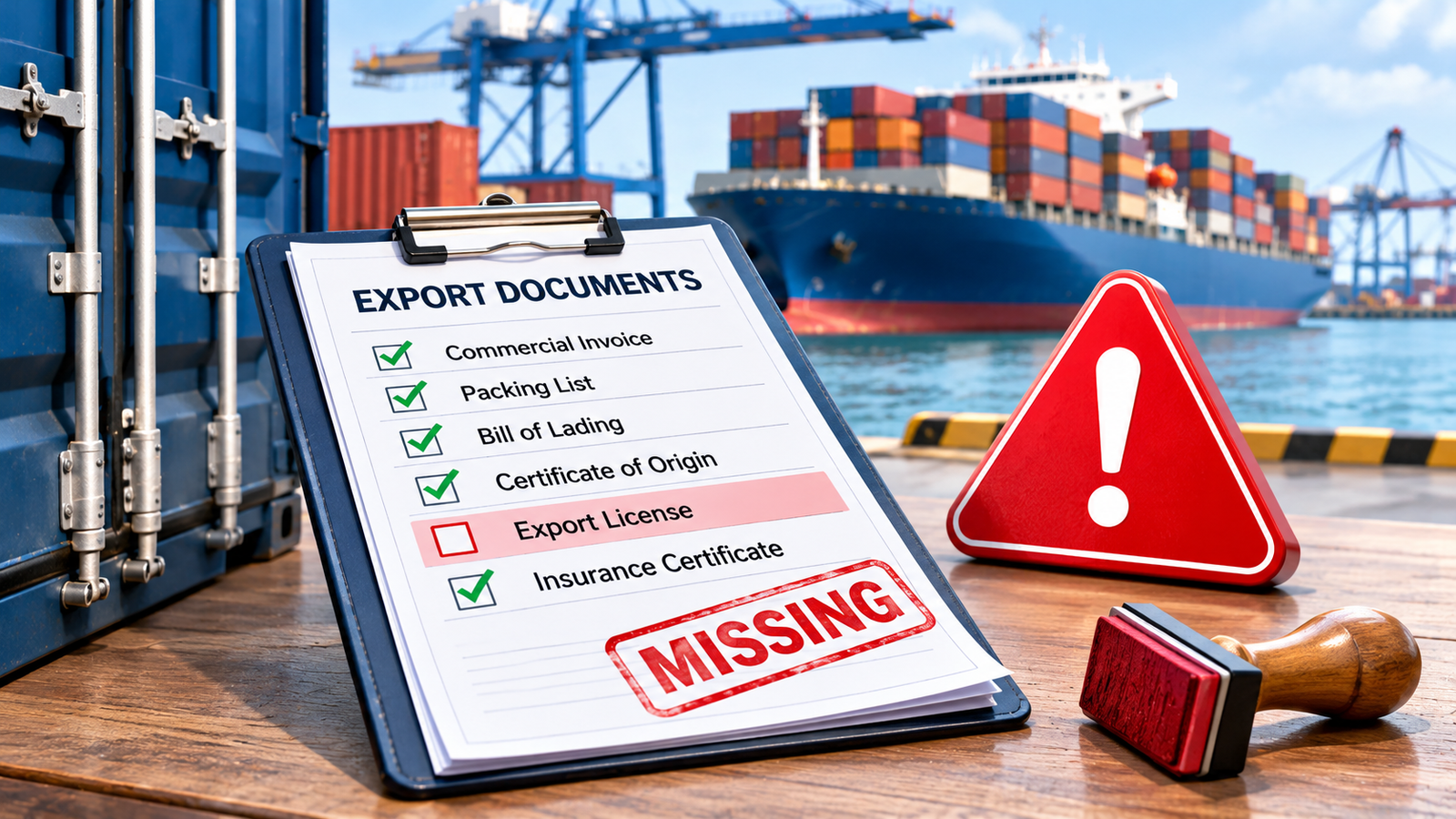
Preparing the correct documents is essential for smooth export processing in China and import customs clearance in Mauritius. Requirements vary depending on the goods, their classification and any applicable import controls.
The commercial invoice provides details of the transaction between the exporter and importer. It should include:
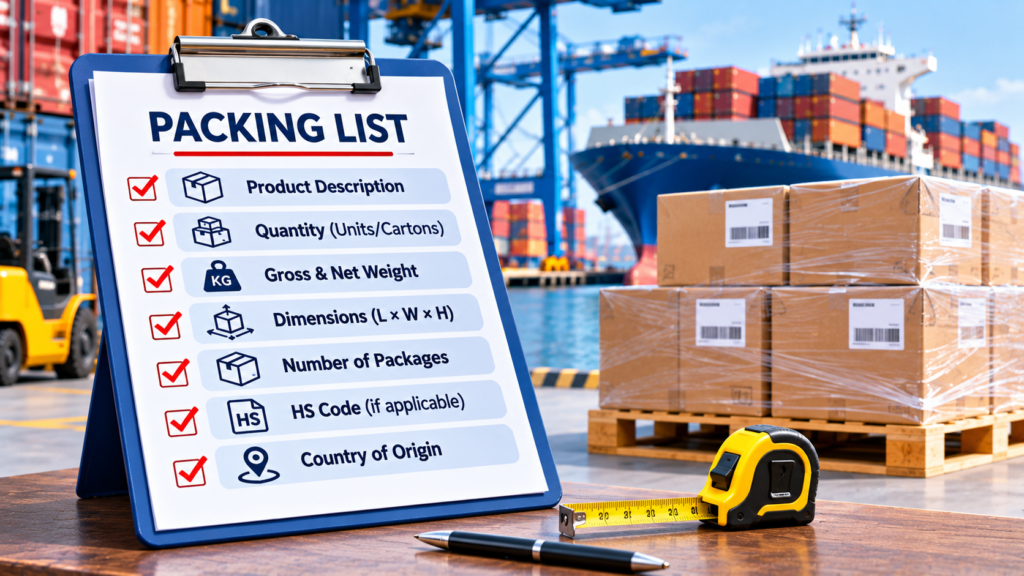
The packing list explains how the cargo is packed and helps customs officers and logistics teams verify the shipment.
It normally includes package quantity, carton or pallet details, dimensions, net weight, gross weight and total volume.
A Bill of Lading (B/L) is used for sea freight, while an Air Waybill (AWB) is used for air freight. These transport documents contain important shipment and carrier information.
A Certificate of Origin identifies the country where the goods originate. It may be required for customs purposes or to support a claim for preferential tariff treatment where an applicable trade agreement and its rules of origin allow it.
Do not assume that goods shipped from China automatically qualify for a preferential duty rate. Check the product’s HS code, origin rules and required proof before claiming a tariff preference.
Some products may require additional approvals, licences, permits or certificates before they can be imported into Mauritius. These requirements depend on the product category and the regulations administered by the relevant authorities.
For example, certain food products, agricultural goods, controlled products and regulated equipment may require additional documentation.
| Document | Purpose |
|---|---|
| Commercial Invoice | Declares product details and transaction value |
| Packing List | Provides package, weight and dimension details |
| Bill of Lading / Air Waybill | Confirms the transport arrangement |
| Certificate of Origin | Confirms the declared country of origin where required |
| Import Permit / Licence | Supports clearance of regulated goods where applicable |
| Insurance Certificate | Provides evidence of cargo insurance when insured |
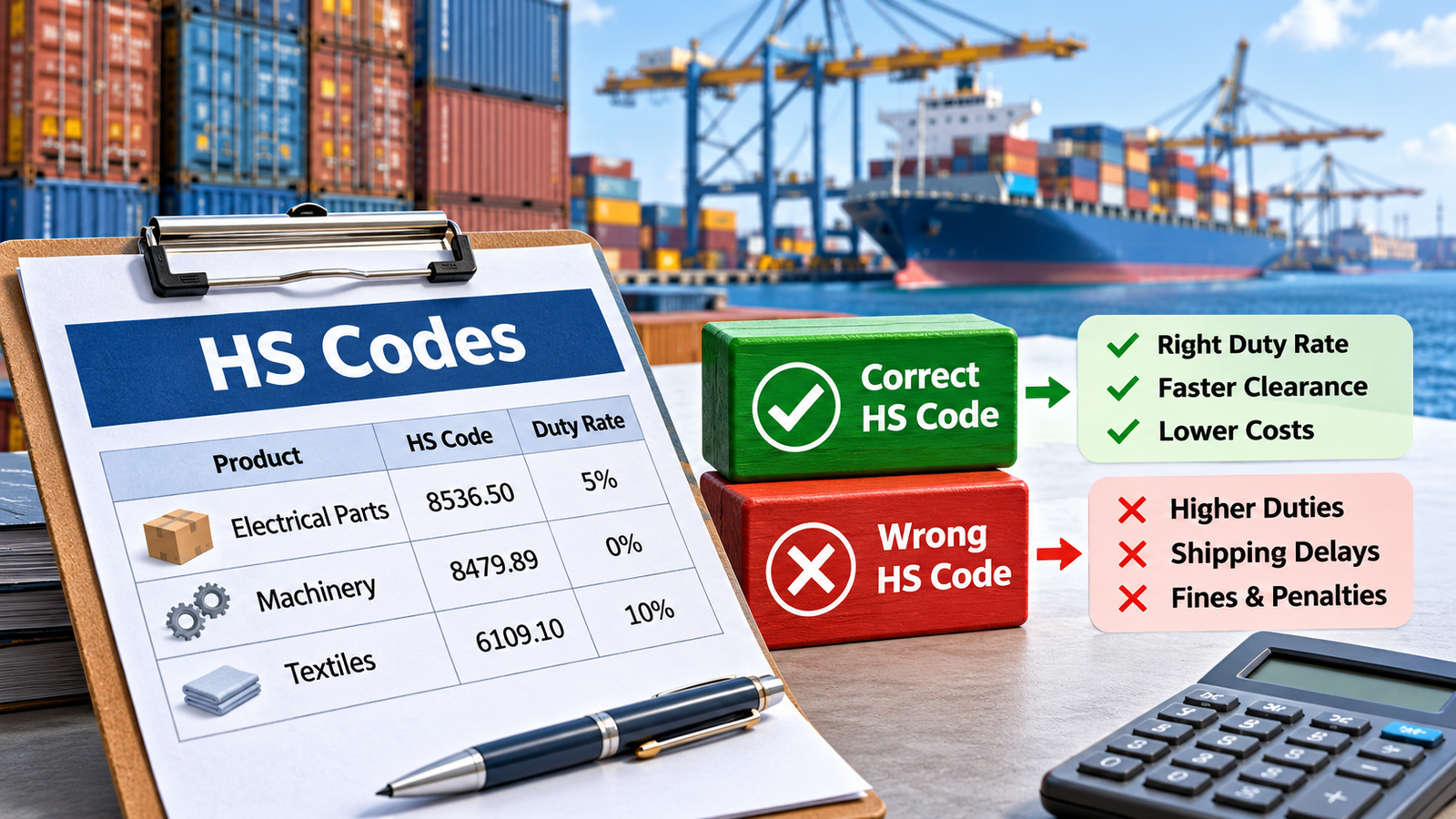
Always confirm the exact documentation requirements for your product before shipping. You can also review the guide to HS codes to understand how goods are classified for international trade.
All commercial imports into Mauritius must go through the applicable customs formalities. The importer or their authorised customs broker must submit the required import declaration and supporting documents.
Before the shipment arrives, prepare the commercial invoice, packing list, transport document and any product-specific permits or certificates required for the goods.
An import customs declaration, commonly known as a Bill of Entry, must be submitted electronically through the applicable Mauritius customs system. The declaration includes details such as the goods description, quantity, value, origin and tariff classification.
Customs may review the declaration and supporting documents. Depending on the shipment, the goods may be selected for inspection or further verification.
Customs duties, VAT and other applicable charges depend on the goods’ classification, customs value and current regulations. The importer should verify the applicable rates before finalising the shipment budget.
Once customs requirements and applicable payments are completed, the shipment can be released. The cargo can then be collected or delivered to the importer’s warehouse or business premises.
For commercial imports, the Mauritius Revenue Authority’s commercial importer guidance explains the customs declaration requirements. You can also refer to its import procedures for further information.
For professional support, explore customs clearance services.
Different industries import products from China to support retail, construction, manufacturing, hospitality and other business operations in Mauritius.
Electronics, electrical components, lighting products and accessories are commonly sourced from Chinese manufacturers. Importers should verify product specifications and any applicable safety or conformity requirements.
Garments, fabrics, footwear and fashion accessories may be shipped in cartons or consolidated cargo, depending on order size.
Furniture, home décor, kitchen equipment and household goods may require careful packaging and sufficient container space to prevent damage during transportation.
Industrial machinery, tools, building materials and heavy equipment may require FCL, specialised handling or suitable loading arrangements.
Vehicle components, replacement parts, tyres and industrial spare parts can be shipped by sea or air, depending on urgency, dimensions and value.
Explore spare parts logistics and heavy equipment shipping for specialised cargo requirements.
Freight costs can affect product margins, especially for businesses importing regularly. A few practical planning steps can help control transportation and handling expenses.
Calculate the total cost of both options when your cargo volume is close to the point where a full container may become economical. Do not choose LCL or FCL based on volume alone; compare the complete origin and destination charges.
Use suitable packaging and avoid unnecessary empty space. Efficient carton and pallet dimensions can improve container utilisation and reduce chargeable volume.
Early booking gives you more time to compare carrier schedules and available services. It can also reduce the risk of paying premium rates for urgent space.
If you purchase from multiple suppliers in China, consider whether shipments can be consolidated at a suitable warehouse before export. This may reduce repeated handling and improve cargo planning.
Ask for a clear breakdown of origin charges, freight, destination charges, customs clearance and delivery. A low freight quote may not represent the lowest total landed cost.
Understand which party is responsible for transportation, insurance, customs formalities and costs under the agreed Incoterm. Confirm responsibilities with your supplier and freight forwarder before booking.
Read our guide to Incoterms rules to understand the responsibilities of buyers and sellers.
A planned shipping process helps importers manage supplier coordination, export formalities and destination delivery.
Working with an experienced freight forwarding company can help coordinate these activities and keep the shipment moving efficiently.
Importers can face additional costs and delays when shipment details are not checked carefully. Avoid these common mistakes:
Use this checklist before confirming your shipment:
Choosing a reliable freight forwarding partner is important when importing goods from China to Mauritius. The right logistics partner can help coordinate transportation, documentation, shipment tracking and destination handling.
Before selecting a provider, consider the following:
Clevertactic Ltd provides logistics and freight forwarding solutions for businesses managing international cargo. From sea freight and air freight to cargo handling and transportation coordination, the right shipping plan can help simplify your import operations.
Explore our logistics services and sea freight solutions to understand the available options.
Shipping from China to Mauritius requires careful planning around freight costs, transit time, documentation and customs clearance. Sea freight is generally suitable for larger and less urgent shipments, while air freight is a practical option for urgent or high-value cargo. FCL and LCL provide different solutions depending on shipment volume.
Before booking, confirm the complete cargo details, compare the total landed cost and check the import requirements for your products. Preparing accurate documents and working with an experienced freight forwarding partner can help reduce avoidable delays and keep your supply chain organised.
Planning your next shipment from China to Mauritius? Contact Clevertactic Ltd to discuss your cargo requirements and request a freight quotation.
Sea freight may take approximately 20–40 days port to port, depending on the origin port, carrier and routing. Air freight may take around 3–10 days airport to airport. Customs clearance and final delivery can add extra time.
Sea freight is generally the economical option for large and heavy shipments. LCL can suit smaller cargo volumes, while FCL may be more cost-effective for larger shipments. Compare the complete charges before choosing.
The cost depends on the shipping method, cargo volume, weight, dimensions, origin location, carrier, season and destination services. Request a quotation using accurate shipment details for a reliable estimate.
Common Chinese departure ports include Shanghai, Ningbo, Shenzhen/Yantian, Qingdao and Guangzhou/Nansha. Port Louis is the principal commercial seaport in Mauritius.
Common documents include a commercial invoice, packing list and Bill of Lading or Air Waybill. A Certificate of Origin, import permit or other product-specific documents may also be required.
Yes. LCL sea freight allows smaller shipments to share container space with other cargo. Air freight is another option when speed is more important than cost.
Yes. Air freight is generally much faster than sea freight. It is suitable for urgent shipments, samples and high-value goods, while sea freight is often better for larger shipments where cost is a priority.
Not every product requires a special import permit. However, certain regulated or controlled goods may need approval, a licence or supporting certificates from the relevant Mauritius authority. Check the requirements for your product before shipping.
The importer or an authorised customs broker can arrange customs clearance. Commercial importers commonly use a registered customs broker or freight forwarding agent to assist with the import declaration and supporting documents.
Share the supplier’s location, destination address, commodity details, package count, dimensions, gross weight and preferred shipping method with a freight forwarder. These details help determine the suitable service and calculate the freight charges.
Speak with our team to find the best shipping solutions for your business.
+230 52583493
HS Codes: Why the Wrong Code Costs You Money When you import or export goods…

7 Hidden Shipping Charges Your Quote May Not Show International shipping involves more than choosing…
Export Packing List: 7 Details You Must Get Right International shipping involves more than booking…
Let’s work together to simplify your logistics and ensure fast, secure, and timely delivery of your shipments.

Your Trusted Partner in End-to-End Supply Chain Management, Offering Expertise, Reliability, and On-Time Delivery Across the Globe.