
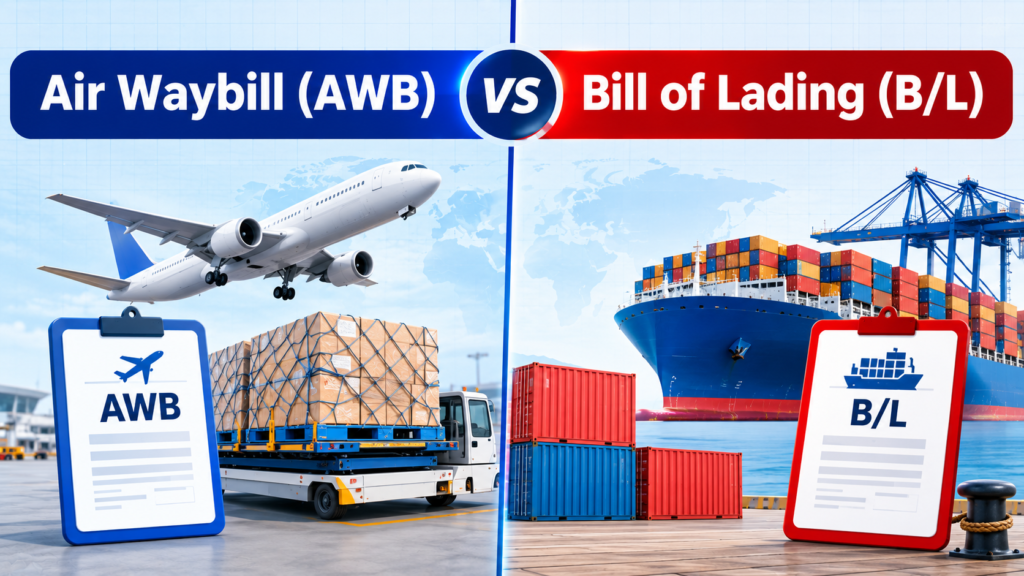
Air Waybill (AWB) vs Bill of…
Air Waybill (AWB) vs Bill of Lading (B/L): Key Differences Explained An Air Waybill (AWB)…

END TO END Solution
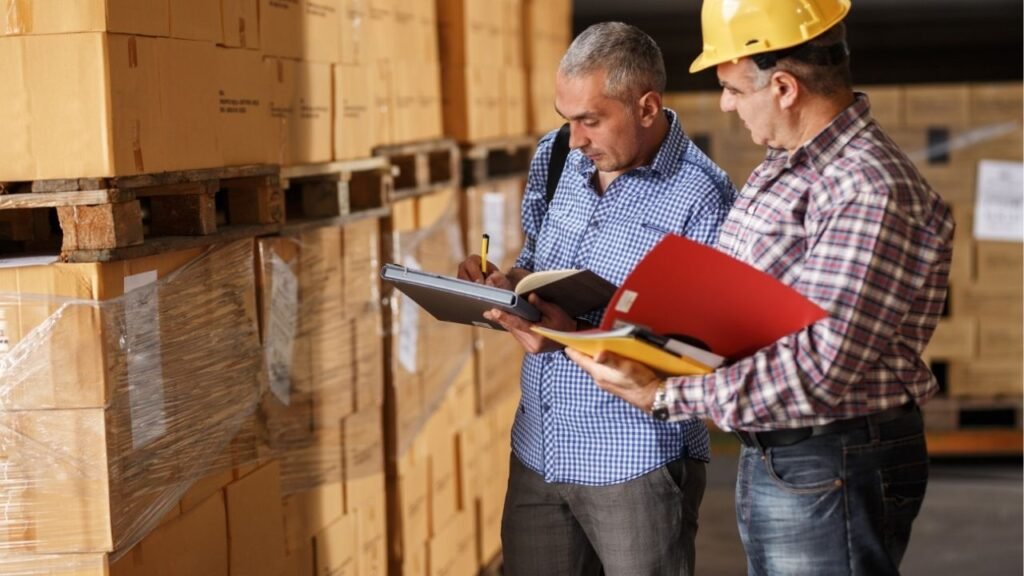
International shipping involves more than moving goods from one country to another. Before a shipment can enter or leave a country, it usually needs to go through customs clearance.
Customs authorities review shipment information, documentation, cargo classification, declared value, and other details to determine whether goods can legally enter or leave the country.
Even a small documentation or declaration error can cause delays, additional inspections, unexpected charges, or problems with delivery schedules.
For businesses that depend on international trade, understanding common customs clearance mistakes can help reduce unnecessary delays and keep shipments moving efficiently.
Table of Contents
Customs clearance is the process of submitting the required information and documentation to customs authorities so goods can legally enter or leave a country.

The process may involve:
The exact requirements vary depending on the country, product type, shipment value, and applicable trade regulations.
Efficient customs clearance helps shipments move through borders without unnecessary interruptions.
Problems during customs clearance can result in:
For importers and exporters, accurate documentation and proper preparation are essential parts of international logistics.
Many customs delays are caused by avoidable errors. Here are seven common issues businesses should watch for.
One of the most common causes of customs delays is missing or incorrect documentation.
Depending on the shipment, customs authorities or other agencies may require documents such as:
If information differs between documents, customs may request clarification or additional documentation.

Review all shipment documents before cargo departure. Make sure the product descriptions, quantities, values, weights, and other important details are consistent across the documentation.
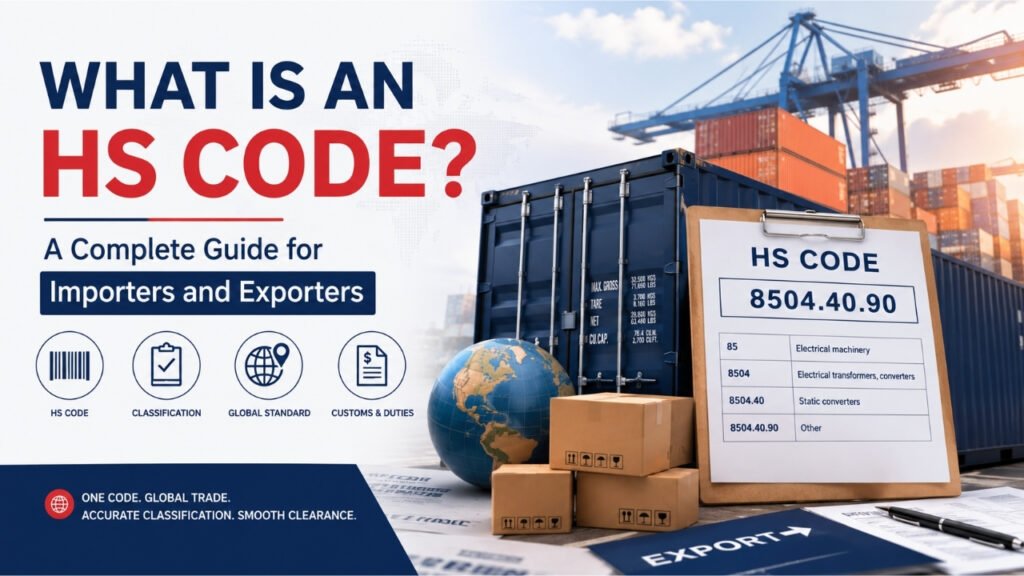
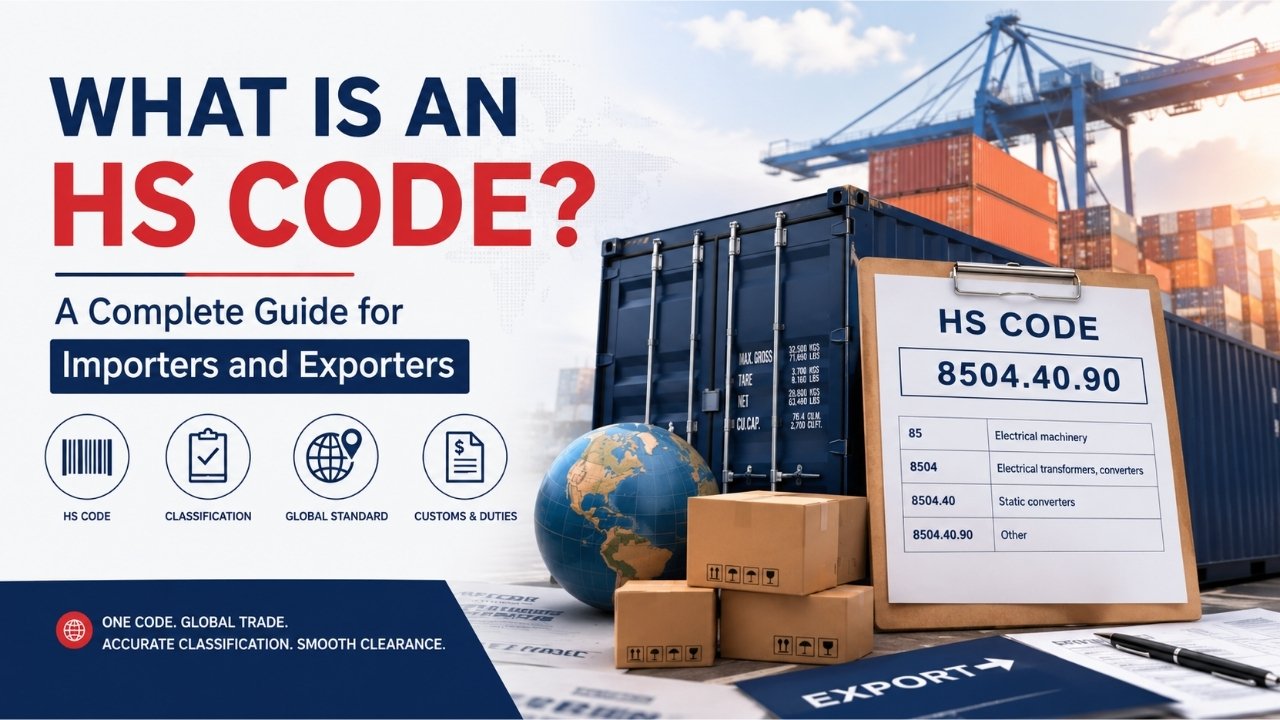
The HS code, or Harmonized System code, is used to classify products for international trade.

Incorrect classification can result in:
Different products can have different classification requirements, even when they appear similar.
Confirm the appropriate HS code for your product before shipping. For complex or regulated products, professional customs or trade advice may be appropriate.
Customs authorities use declared shipment values when assessing duties and taxes in applicable situations.
Problems can occur when the declared value is:
Under-declaring or incorrectly declaring the value can create compliance concerns and may lead to additional checks.
Ensure the declared value is accurate and supported by the relevant commercial documentation. Keep invoices and transaction records available if customs requests additional information.
The country of origin identifies where goods were produced or manufactured according to applicable rules.
This information can affect:
Incorrect country-of-origin information can result in additional questions or customs checks.
Confirm the origin of your products and provide the appropriate supporting documentation when required.
Some products require additional licenses, certificates, or permits before they can be imported or exported.
Requirements can apply to products such as:
Shipping regulated goods without the necessary documentation can result in significant delays.
Check the import and export requirements for the destination and origin countries before the shipment is dispatched.
Incorrect or incomplete cargo labeling can also create problems during customs processing and inspections.
Depending on the product and destination, labels may need to provide information such as:
Packaging and labeling requirements vary by product and destination, so businesses should verify the applicable requirements before shipping.
Check destination-country labeling requirements and make sure the information on the cargo matches the accompanying customs documentation.
Waiting until the shipment arrives at the port or airport to prepare customs information can create unnecessary delays.
Customs brokers, freight forwarders, carriers, and authorities may need information before or during the shipment process.
Late documentation can result in:
Prepare customs documentation as early as possible and provide accurate information to your logistics partner before the shipment reaches its destination.
Businesses can reduce the risk of customs delays by following a structured process.
International shipping involves multiple steps, and customs clearance is one of the most important parts of the process.
A freight forwarder can help coordinate different aspects of an international shipment, including documentation, transportation, customs coordination, and communication with relevant logistics partners.
Working with an experienced freight forwarding provider can help businesses identify potential documentation issues before they cause unnecessary delays.
For businesses new to international logistics, understanding freight forwarding can also provide useful background on how shipments move from origin to destination.
Customs clearance is an essential part of international shipping, and small errors can sometimes create significant delays.
Incorrect documents, wrong HS codes, inaccurate shipment values, missing permits, incorrect origin information, poor labeling, and late documentation are among the issues businesses should watch for.
By preparing documents early, checking shipment information carefully, and understanding destination-country requirements, businesses can reduce the risk of customs-related delays.
When shipments are complex or involve multiple countries, working with an experienced logistics or freight forwarding partner can make the process easier to manage.
Customs clearance is the process of submitting required information and documents to customs authorities so goods can legally enter or leave a country.
Common causes include incorrect documentation, wrong HS codes, inaccurate shipment values, missing permits, incorrect country-of-origin information, labeling issues, and late submission of customs information.
Prepare documents early, provide accurate product information, verify HS codes, check import requirements, and ensure all shipment details are consistent across documents.
Common documents may include a commercial invoice, packing list, bill of lading or air waybill, certificate of origin, customs declaration, and applicable licenses or certificates. Requirements vary by country and product.
HS codes classify products for international trade and can be used to determine applicable duties, taxes, restrictions, and other customs requirements.
Yes. A freight forwarder can help coordinate shipping documentation, customs processes, carriers, and other logistics activities. The exact services provided depend on the freight forwarder and shipment requirements.
Customs clearance time varies depending on the destination country, shipment type, documentation accuracy, cargo classification, inspections, and other regulatory requirements.
Speak with our team to find the best shipping solutions for your business.
+230 52583493
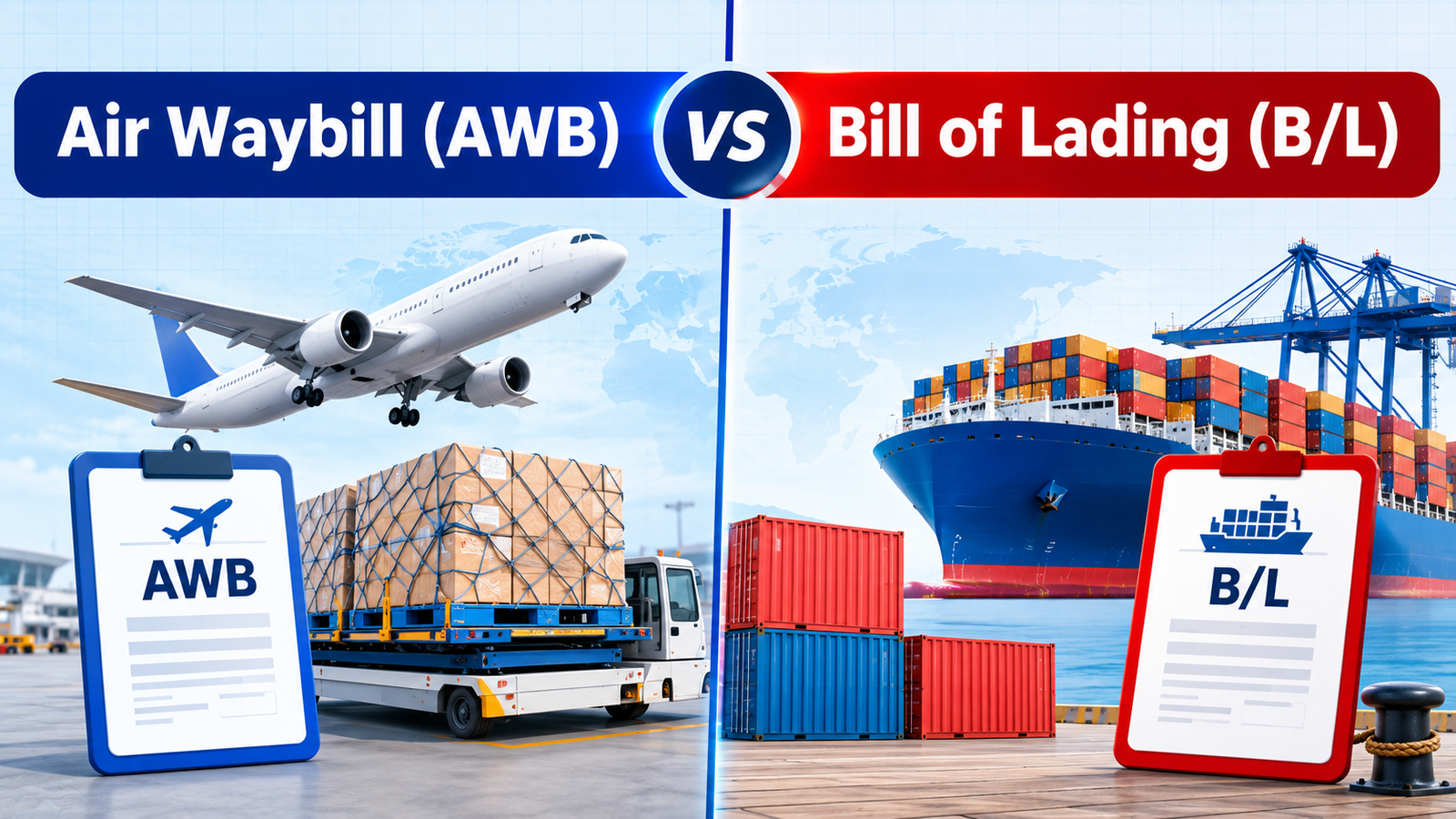
Air Waybill (AWB) vs Bill of Lading (B/L): Key Differences Explained An Air Waybill (AWB)…

Sea Freight Rates: 7 Ways to Keep Shipping Costs Down Sea freight is one of…
Let’s work together to simplify your logistics and ensure fast, secure, and timely delivery of your shipments.

Your Trusted Partner in End-to-End Supply Chain Management, Offering Expertise, Reliability, and On-Time Delivery Across the Globe.