

How to Read a Shipping Container…
How to Read a Shipping Container Number: A Simple Guide A shipping container number is…

END TO END Solution
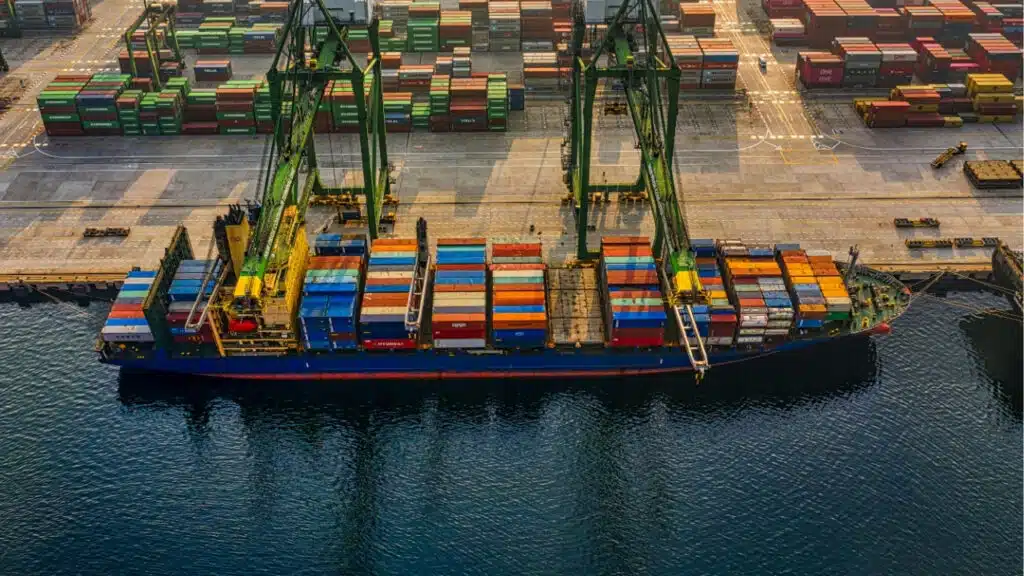
Sea freight is one of the most widely used transportation methods for moving large quantities of goods internationally. It can offer excellent cost efficiency, particularly for heavy, bulky, and non-urgent shipments.
However, sea freight rates can change significantly depending on cargo volume, container type, shipping route, fuel costs, carrier availability, seasonality, port charges, and other factors.
For importers and exporters, reducing shipping costs is not simply about finding the lowest freight quote. A low base rate can still result in a high final cost if additional charges, inefficient packaging, delays, or incorrect documentation are involved.
The good news is that businesses can take practical steps to control their ocean freight costs.
In this guide, we cover 7 ways to keep sea freight rates and overall shipping costs under control.
Table of Contents
Before looking at ways to reduce shipping costs, it is important to understand what influences sea freight rates.
Common factors include:
Because these factors can change, businesses should compare the total logistics cost rather than focusing only on the headline freight rate.
One of the most important decisions affecting sea freight costs is choosing between Full Container Load (FCL) and Less than Container Load (LCL).
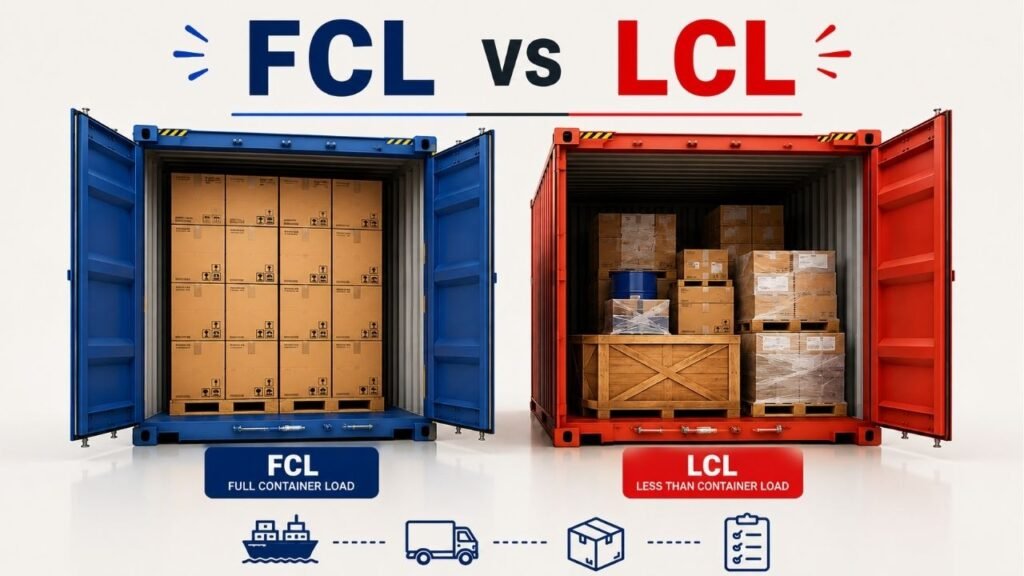
FCL can make sense when your cargo is large enough to use a significant portion of a container or when you need a dedicated container for your shipment.
Benefits can include:
If you regularly ship larger quantities, review the FCL shipping guide to understand how full container shipping works.
If your shipment is too small to justify a full container, LCL allows you to share container space with cargo from other shippers.
This can be useful for:
Read the LCL shipping guide to learn how consolidated ocean shipments work.
The cheapest option depends on the actual shipment size, destination, handling charges, and total landed cost.
Businesses should compare both options before making a booking. Our FCL vs LCL shipping comparison explains the key differences between these two methods.
The way cargo is packed can have a direct effect on shipping costs.
Poor packaging may result in wasted container space, while oversized packaging can increase the volume of your shipment without increasing the value of the goods.

Where appropriate, optimize cartons and pallets so that available container space is used efficiently.
Consider:
Accurate dimensions and weight are important when requesting freight quotes. Incorrect information can lead to rate adjustments or additional charges later.
Before requesting a quote, prepare accurate information about:
Better cargo data allows freight providers to provide more accurate quotations.
Do not automatically choose the first shipping route or carrier you receive a quote from.
Sea freight rates can vary depending on the carrier, service level, route, transit time, port pair, and available capacity.
When comparing carriers, look at:
In some cases, using an alternative port can reduce the overall logistics cost. However, the potential saving should be compared against additional inland transportation expenses.
The cheapest ocean route is not always the cheapest end-to-end solution.
Timing can influence shipping costs.
Ocean freight markets can experience periods of high demand when available vessel and container capacity becomes limited.
Booking early can give businesses more time to compare options and avoid last-minute transportation decisions.
Advance planning can help with:
Last-minute shipping decisions can limit your options and may result in higher costs or less convenient sailing schedules.
Where possible, align purchasing, production, warehouse, and transportation schedules so that cargo is ready before the intended sailing date.
Ocean freight costs include more than the main transportation charge. Port and handling fees can significantly increase the final shipping bill.
Potential charges may include:
Free time is particularly important because delays in collecting or returning containers can result in additional charges.
Ask your freight provider about applicable free-time conditions before booking.
Good coordination between the shipping line, freight forwarder, warehouse, customs broker, and transport provider can help reduce avoidable delays and storage costs.
Incorrect or incomplete shipping documentation can create delays and additional expenses.
Common documents may include:
Make sure shipment information is consistent across documents.
Pay particular attention to:
Accurate documentation can help reduce the risk of customs problems and shipment delays.
For businesses managing international shipments, understanding the role of logistics providers can also help improve documentation and coordination. Read this freight forwarding complete beginner guide for a broader overview.
A reliable freight forwarder can help businesses compare transportation options, coordinate documentation, arrange cargo movement, and manage communication with carriers and other logistics providers.
An experienced provider may also have access to multiple carrier options and established logistics networks.
However, businesses should still compare the complete quotation and understand exactly what is included before confirming a shipment.
One common mistake businesses make is comparing only the ocean freight line shown on a quotation.
The final shipping cost can include many additional charges.
| Cost | What It May Cover |
|---|---|
| Ocean Freight | Main sea transportation charge |
| Origin Charges | Costs incurred before the cargo leaves the origin |
| Destination Charges | Costs incurred after arrival |
| Terminal Handling | Handling of cargo or containers at terminals |
| Documentation | Preparation and processing of shipping documents |
| Storage | Charges when cargo or containers remain at a facility beyond allowed time |
| Demurrage | Potential charges for containers remaining at the terminal beyond free time |
| Detention | Potential charges for containers kept outside the terminal beyond free time |
| Inland Transportation | Movement between ports, warehouses, factories, or delivery locations |
Always ask for a clear breakdown of the quotation so you can compare the actual expected cost.
When comparing different sea freight rates, use the same shipment information for each quotation.
Do not compare only the ocean freight charge. Review all applicable origin, destination, handling, documentation, customs, and inland transportation costs.
A slightly higher freight rate may be worthwhile if it provides a more reliable schedule or significantly better transit time.
Ask whether the quotation includes pickup, documentation, terminal handling, customs clearance, delivery, and other applicable services.
Reducing shipping costs should not mean choosing the slowest or cheapest option in every situation.
Businesses should balance transportation cost with delivery requirements.
Sea freight can be suitable when the shipment is not urgent and the business has sufficient time for transportation.
For urgent or time-sensitive goods, a faster transportation method may provide greater business value even if the freight cost is higher.
The right decision depends on the value of the goods, customer expectations, inventory levels, and delivery deadline.
Before booking your next ocean shipment, review this checklist:
Keeping sea freight rates under control requires more than finding the lowest ocean freight quote.
Businesses can reduce overall shipping costs by selecting the right FCL or LCL option, optimizing cargo space, comparing carriers and routes, planning shipments in advance, controlling port charges, maintaining accurate documentation, and working with an experienced freight forwarder.
The most effective approach is to look at the total shipping cost rather than one individual charge.
With better planning and accurate shipment information, importers and exporters can make more informed decisions and avoid many unnecessary logistics expenses.
Sea freight rates are the charges associated with transporting cargo by ocean. The total cost can depend on cargo volume, container type, route, carrier, fuel costs, demand, port charges, and additional logistics services.
You can reduce sea freight costs by choosing the right FCL or LCL option, optimizing cargo packaging, comparing carriers, planning shipments in advance, reducing avoidable charges, and ensuring accurate documentation.
It depends on the shipment volume and total charges. FCL can be more cost-effective for larger shipments, while LCL can be practical for smaller shipments that do not require a full container.
Sea freight rates can change due to supply and demand, fuel costs, carrier capacity, seasonal shipping volumes, route conditions, port congestion, and other market factors.
There is no single cheapest option for every shipment. The most cost-effective solution depends on cargo volume, origin, destination, FCL or LCL requirements, carrier rates, and additional logistics charges.
Yes. Inefficient packaging can increase cargo volume and result in wasted container space. Optimizing carton sizes and cargo loading can improve space utilization and potentially reduce transportation costs.
The ideal booking time depends on the route, season, carrier, and cargo requirements. Planning ahead generally gives businesses more time to compare options and manage container availability.
The terms are often used interchangeably to describe transportation of goods by water. In commercial shipping, both terms generally refer to cargo transported by vessels across waterways.
Yes. An experienced freight forwarder can compare carrier options, evaluate routes, recommend FCL or LCL solutions, coordinate logistics, and help identify avoidable costs.
Speak with our team to find the best shipping solutions for your business.
+230 52583493
How to Read a Shipping Container Number: A Simple Guide A shipping container number is…
Freight Prepaid vs Freight Collect: What Exporters Need to Know Freight Prepaid and Freight Collect…
7 Types of Bill of Lading Every Exporter Should Know A Bill of Lading, commonly…
Let’s work together to simplify your logistics and ensure fast, secure, and timely delivery of your shipments.

Your Trusted Partner in End-to-End Supply Chain Management, Offering Expertise, Reliability, and On-Time Delivery Across the Globe.