
Ocean Freight Charges Explained: A Complete…
Ocean Freight Charges Explained: A Complete Guide to Shipping Costs Ocean freight charges are one…

END TO END Solution
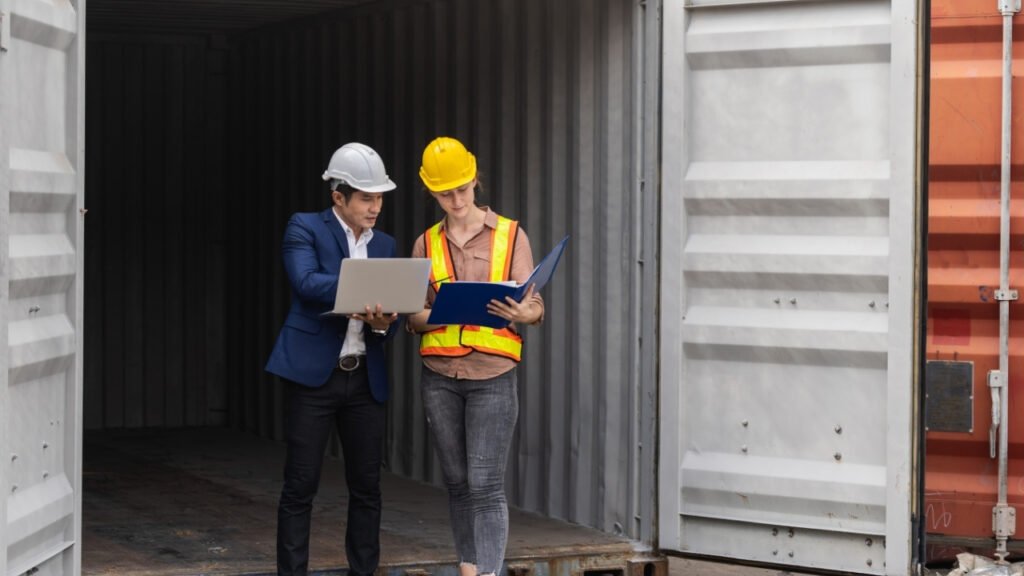
Choosing the right Customs House Agent (CHA) can make a significant difference to the speed, cost, and compliance of import and export shipments.
In India, the term Customs Broker is used under the Customs Brokers Licensing Regulations (CBLR). A person carrying out customs broker activities generally needs a valid licence under the applicable regulations.
A good customs broker can help importers and exporters prepare documentation, coordinate customs clearance, identify potential compliance issues, communicate with customs authorities, and facilitate the release of cargo.
However, not every CHA or Customs Broker offers the same level of service. Experience, port coverage, industry knowledge, communication, technology, compliance practices, and pricing should all be considered before making a decision.
In this guide, we explain what a CHA does, why choosing the right one matters, what to check before hiring one, questions to ask, common mistakes to avoid, and how to compare different customs brokers.
Table of Contents
Importing and exporting goods involves more than simply moving cargo from one country to another.
Businesses must deal with customs declarations, classification, valuation, documentation, duties and taxes, regulatory requirements, inspections, and cargo release procedures.
A Customs House Agent, commonly referred to as a CHA, can assist businesses with many of these customs-related activities.
Under India’s customs framework, Customs Brokers have defined obligations, including obtaining authorization from clients and advising clients to comply with applicable customs and allied laws.
For businesses using sea freight services, selecting an experienced customs broker can help coordinate the customs clearance stage with the wider logistics process.
A Customs House Agent (CHA) is commonly used in India to describe a professional or company that assists importers and exporters with customs clearance activities.
The formal regulatory term is Customs Broker. Under the Customs Brokers Licensing Regulations, a person conducting customs broker business relating to the entry or departure of conveyances or the import or export of goods at a customs station must hold the required licence, subject to the applicable provisions and exemptions.
A customs broker may act on behalf of an importer or exporter in activities associated with customs clearance and documentation.
The exact services provided vary between customs brokers, but a CHA may assist with:
The broker’s role is not simply to submit paperwork. A reliable broker should also help the client understand applicable requirements and identify potential documentation or compliance problems.
A customs clearance problem can delay cargo and create additional costs.
Depending on the shipment, delays can result in additional storage, demurrage, detention, handling, transportation, or other charges.
A knowledgeable customs broker can help reduce avoidable errors by reviewing documentation and coordinating the clearance process properly.
The importance of compliance is reflected in the Customs Brokers Licensing Regulations, which establish specific obligations for Customs Brokers. For example, brokers are required to verify important client information, including the IEC, GSTIN, identity, and functioning of the client at the declared address using reliable information.
One of the first things an importer or exporter should verify is whether the broker is properly licensed and authorized to provide customs broker services.
Do not select a broker solely because the company has been operating for many years or has a large customer base.
India’s Customs Broker licensing framework is administered under the applicable regulations, and the government provides online systems for managing Customs Broker licensing information.
Avoid working with an intermediary who cannot clearly explain the legal status and authorization of the customs broker handling your shipment.
Customs requirements can vary considerably depending on the type of goods being imported or exported.
A broker experienced with general consumer goods may not have the same expertise in handling machinery, chemicals, food products, pharmaceuticals, electronics, automotive parts, or project cargo.
The more closely the broker’s experience matches your business, the better prepared they are likely to be for shipment-specific issues.
A customs broker may have strong experience at one customs station but limited coverage elsewhere.
Before hiring a CHA, confirm that they can handle clearance at the customs station relevant to your shipment.
This may include:
Government customs authorities maintain customs clearance facilitation structures at major seaports, airports, ICDs, and Land Customs Stations.
Not all customs brokers offer the same range of services.
Some specialize mainly in customs clearance, while others provide additional logistics services.
If your business regularly imports or exports, using a provider that can coordinate multiple logistics activities may simplify communication.
Compliance should be one of the most important factors when choosing a customs broker.
A broker who simply processes documents without properly checking the information can expose an importer or exporter to unnecessary compliance risks.
Customs Brokers have specific regulatory obligations under CBLR, including advising clients to comply with applicable laws and verifying important client information.
Modern customs clearance involves significant electronic communication and documentation.
A good customs broker should provide clear updates about the status of your shipment.
India also has the Customs Broker License Management System (CBLMS), which is designed to make customs broker licence management more transparent and online.
Technology is useful, but responsive human support remains important when a shipment encounters a customs query or inspection.
Price should be considered, but it should not be the only deciding factor.
A very low clearance fee may not necessarily represent the lowest overall cost if the broker has limited experience or poor communication.
| Charge | What to Confirm |
|---|---|
| Customs clearance fee | Confirm the broker’s professional service charge. |
| Documentation fee | Check whether documentation is included. |
| Handling charges | Ask whether additional handling fees apply. |
| Examination support | Confirm whether examination-related assistance is charged separately. |
| Transportation | Check whether inland transportation is included. |
| Other charges | Ask for a list of possible additional charges. |
Always request a written quotation so that you can compare brokers on an equivalent basis.
Before appointing a customs broker, ask questions such as:
The answers can help you determine whether the broker is suitable for your specific shipping requirements.
Be cautious if a customs broker:
Never agree to provide false information to customs authorities simply to reduce duties or speed up clearance. Compliance problems can create significantly greater costs and risks later.
If you are considering several customs brokers, create a simple comparison based on the factors that matter most to your business.
| Factor | What to Evaluate |
|---|---|
| Licence | Valid and appropriate Customs Broker authorization. |
| Experience | Experience with your cargo, trade routes, and industry. |
| Port coverage | Ability to operate at your required customs stations. |
| Compliance | Quality of documentation and customs compliance practices. |
| Communication | Speed and clarity of shipment updates. |
| Technology | Digital documentation and shipment tracking capabilities. |
| Pricing | Transparent and competitive total charges. |
| Support | Availability when customs issues arise. |
| References | Feedback from relevant customers. |
Choosing the broker with the lowest quotation is not always the best approach. The right balance of expertise, compliance, service, communication, and cost is usually more important.
An Indian company plans to import several containers of industrial machinery.
The company receives quotations from three customs brokers.
Broker A offers the lowest clearance fee but has limited experience with machinery imports.
Broker B charges slightly more but regularly handles industrial equipment, has experience with the relevant customs station, and provides clear documentation support.
Broker C provides customs clearance as well as inland transportation and warehousing but has limited experience with the importer’s specific cargo.
In this situation, Broker B may be the strongest choice if compliance and industry expertise are the company’s priorities.
The decision should ultimately be based on the complete service package rather than the clearance fee alone.
Before appointing a Customs House Agent, confirm the following:
Choosing the right Customs House Agent (CHA) is an important decision for any importer or exporter.
A good customs broker should offer more than document processing. They should understand your cargo, customs requirements, applicable procedures, port operations, and the importance of accurate and compliant documentation.
Before making a decision, verify the broker’s licence, experience, customs station coverage, services, compliance practices, communication, and complete pricing structure.
Do not automatically choose the cheapest provider. A reliable and experienced customs broker can help reduce avoidable delays, documentation errors, and compliance problems throughout the customs clearance process.
Businesses involved in international trade can also review freight forwarding services to understand how customs clearance can be coordinated with transportation, documentation, and wider logistics operations.
CHA stands for Customs House Agent. In India, the formal regulatory term is Customs Broker. A Customs Broker assists importers and exporters with customs clearance and related procedures.
Ask the broker for their Customs Broker licence details and verify their credentials through the appropriate customs authorities or official systems. India’s CBLMS provides an online framework for Customs Broker licence management.
Look for valid licensing, relevant industry experience, customs station coverage, strong compliance practices, transparent pricing, good communication, and the ability to handle your specific type of cargo.
Yes. A Customs Broker can provide customs clearance services for import and export transactions, subject to its licence, operational coverage, and applicable requirements.
No. Price is important, but experience, compliance, service quality, communication, port coverage, and transparency should also be considered.
Yes. Customs Brokers commonly assist with customs-related documentation and clearance procedures, although the exact services depend on the broker and shipment.
A responsible Customs Broker should not guarantee clearance regardless of the circumstances. Customs authorities may inspect cargo, request additional information, or require compliance with applicable laws and regulations.
A customs error can potentially cause delays, additional costs, or compliance issues. This is why businesses should select a properly licensed broker with strong documentation and compliance procedures.
Speak with our team to find the best shipping solutions for your business.
+230 52583493
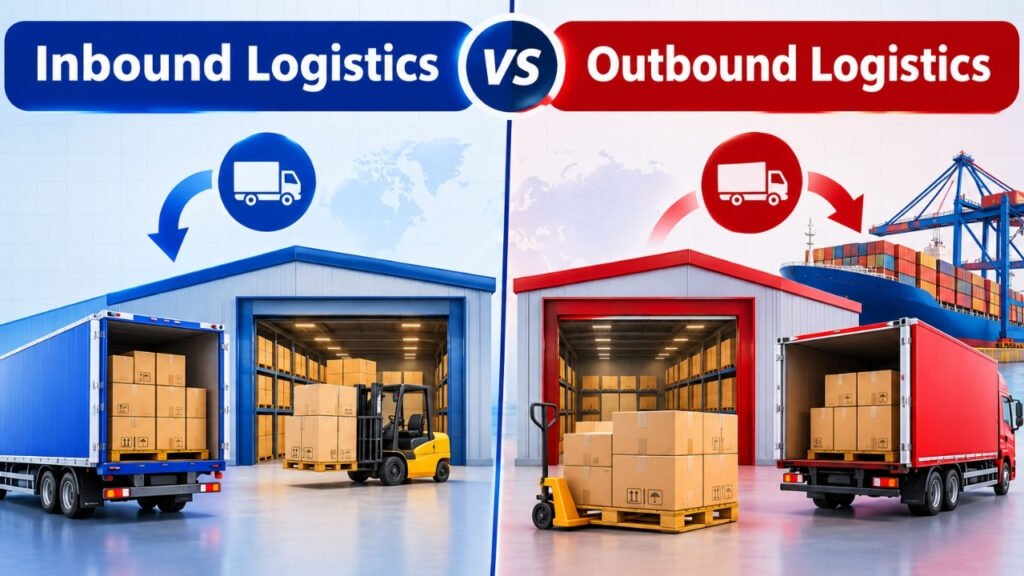

Ocean Freight Charges Explained: A Complete Guide to Shipping Costs Ocean freight charges are one…
How to Read a Shipping Container Number: A Simple Guide A shipping container number is…
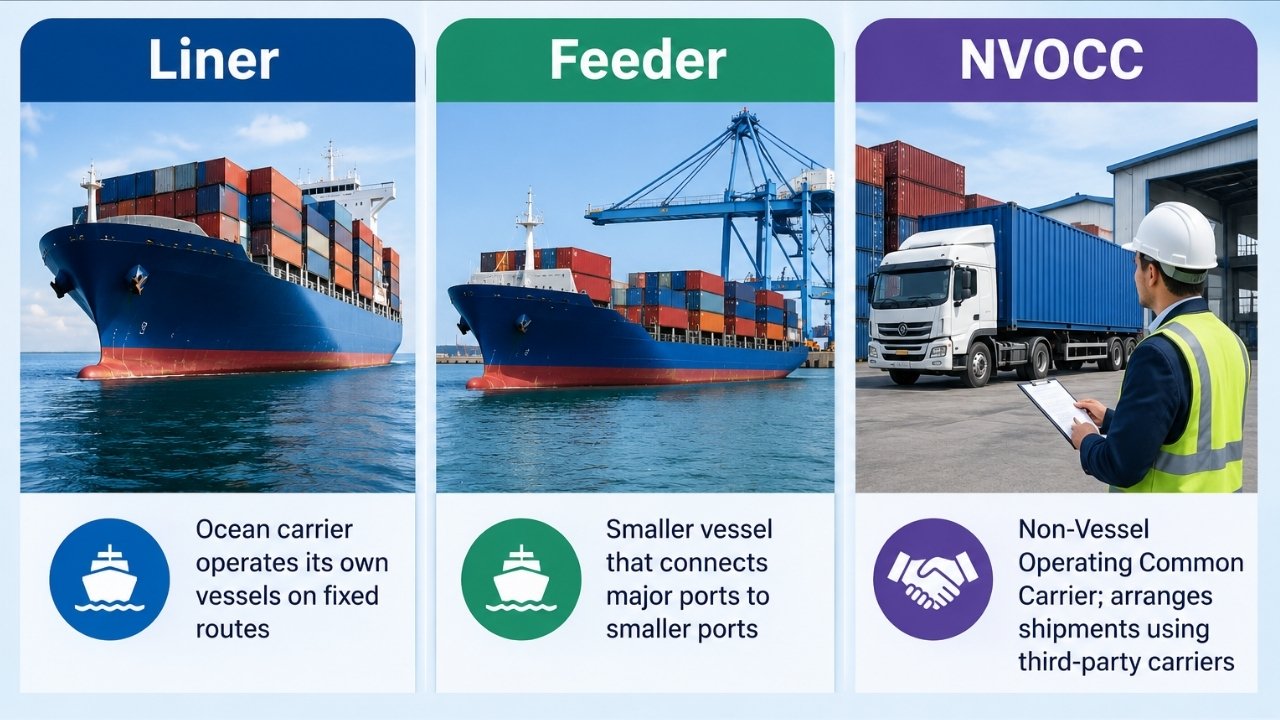
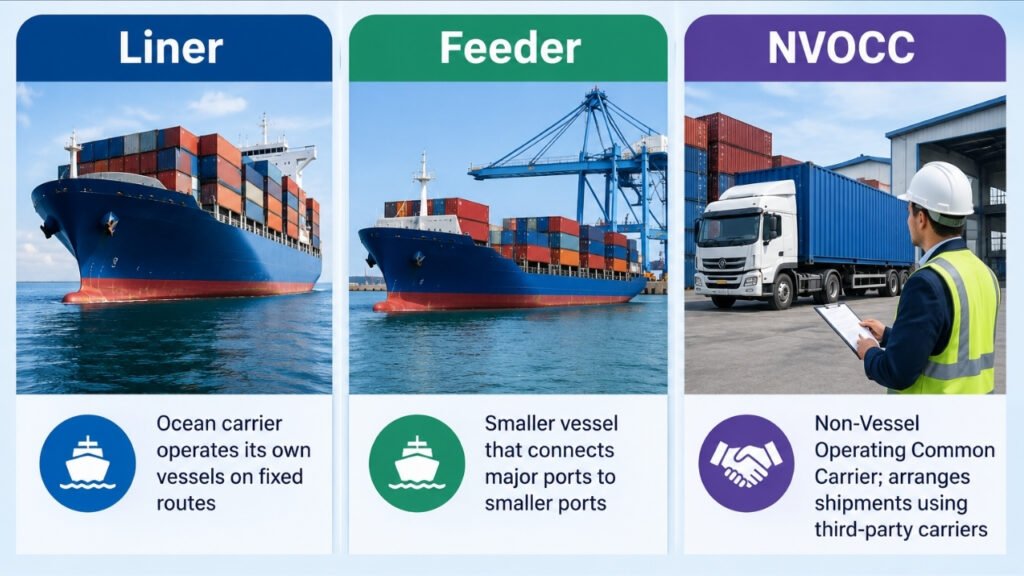
Liner, Feeder and NVOCC Explained: Who Really Moves Your Cargo? When a container moves through…
Let’s work together to simplify your logistics and ensure fast, secure, and timely delivery of your shipments.

Your Trusted Partner in End-to-End Supply Chain Management, Offering Expertise, Reliability, and On-Time Delivery Across the Globe.