


7 Hidden Shipping Charges Your Quote…
7 Hidden Shipping Charges Your Quote May Not Show International shipping involves more than choosing…

END TO END Solution
China is one of the world’s major sourcing destinations for businesses importing electronics, machinery, textiles, furniture, construction materials, spare parts and consumer products. But getting goods from a Chinese supplier to your warehouse is not always straightforward.
A shipment can be delayed because of missing documents, incorrect product information, import permit issues, poor packaging, late bookings or misunderstandings between the supplier, importer and freight forwarder. Even a small mistake before dispatch can lead to additional storage charges, missed delivery schedules and disruption to your business.
If your business imports goods from China to Mauritius, understanding these common problems can help you plan shipments more effectively. Here are seven mistakes to avoid and practical ways to prevent them.
Table of Contents
International shipping involves several parties, including the supplier, exporter, freight forwarder, shipping line or airline, customs broker, port authorities and importer. Each party needs accurate information and timely instructions to keep the shipment moving.
For example, a supplier may finish production on time, but the shipment could still miss its planned vessel if the packing list is incomplete or the cargo is not ready for collection. Similarly, goods may arrive at Port Louis but remain uncleared because an import permit or supporting document is missing.
Most avoidable delays begin before the cargo leaves China. The following seven mistakes are worth checking before you confirm your next order.
One of the biggest mistakes importers make is placing an order before checking whether the product can be imported and what approvals may be required in the destination country.
Not every product follows the same import procedure. Certain goods may be subject to licences, permits, safety standards, inspections or other regulatory requirements. If these are discovered only after the cargo has been shipped, the goods may be held while the importer arranges the necessary approvals.
A business orders electrical products from a Chinese supplier without checking the applicable product requirements. The cargo is dispatched and reaches Mauritius, but additional compliance documents or approvals are requested during the import process. The shipment cannot be released until the requirements are addressed.
Check the import requirements before paying the supplier or confirming production. Share the product description and HS code with your customs broker or freight forwarder so the applicable requirements can be reviewed in advance.
For Mauritius-specific guidance, consult the Mauritius Revenue Authority’s commercial importer guidance and the Mauritius Trade Easy portal.
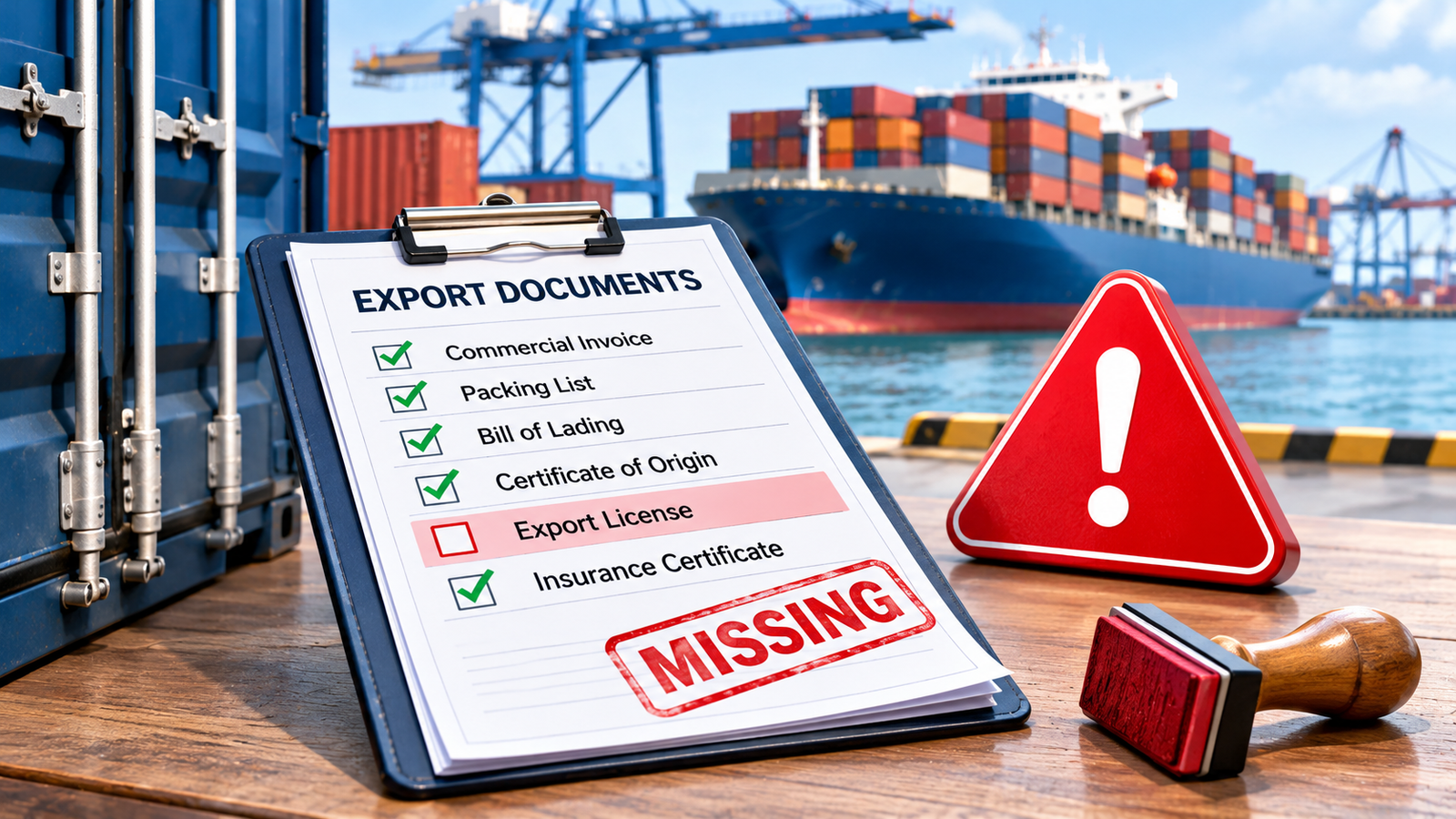
Incorrect paperwork is a common reason for shipment delays. Customs declarations and transport documents rely on accurate cargo information. Missing details or differences between documents can lead to queries, corrections and additional checks.
Ask your supplier to prepare draft documents before cargo dispatch. Review the invoice, packing list and transport instructions together. Confirm that the product descriptions, quantities, weights, values and consignee details are consistent.
For commercial imports into Mauritius, an import Customs Declaration or Bill of Entry must be submitted with supporting trade documents. The Mauritius Revenue Authority explains the applicable requirements in its import procedures.
Every product imported internationally needs to be classified under the appropriate Harmonized System (HS) code. This classification helps customs authorities identify the goods and determine the applicable duties, taxes and regulatory requirements.
Using an incorrect HS code or a vague product description can create problems during customs assessment. Customs may request clarification, supporting specifications or a corrected declaration.
Provide a detailed and accurate description of each product. Include its material, intended use, model, specifications and other relevant characteristics. Ask a customs professional to verify the classification when you are unsure.
Do not select an HS code only because a supplier has used it on a previous shipment. The correct classification depends on the actual product and applicable tariff rules.
Read our guide: What Is an HS Code?
Selecting a shipping method without considering cargo volume, weight, urgency and budget can create avoidable problems. A shipment that is booked using an unsuitable service may cost more than expected or fail to meet the required delivery schedule.
The main options for shipping from China are Full Container Load (FCL), Less than Container Load (LCL) and air freight.
FCL is suitable when your cargo requires an entire container. It can be a practical option for large orders, heavy goods, machinery, furniture and regular commercial imports.
Explore FCL shipping services.
LCL allows smaller shipments to share container space with cargo belonging to other importers. It can be useful when you do not have enough goods to fill a full container.
However, LCL shipments require consolidation and deconsolidation. These handling stages can affect the overall schedule.
Explore LCL shipping services.
Air freight is suitable for urgent shipments, samples, high-value products and goods that need faster transportation. It generally costs more than sea freight, particularly for heavy or bulky cargo.
Explore air freight services.
| Shipping Method | Suitable For | Important Consideration |
|---|---|---|
| FCL | Large cargo volumes and full container shipments | Compare container rates and total destination charges |
| LCL | Smaller shipments that do not fill a container | Allow time for consolidation and deconsolidation |
| Air Freight | Urgent, lightweight or high-value cargo | Check chargeable weight and flight availability |
Compare the complete shipping cost and estimated delivery schedule before booking. You can also read Air Freight vs Sea Freight to understand the differences.
Some importers wait until production is complete before contacting a freight forwarder. This can leave too little time to arrange collection, export documentation, container space or a suitable sailing schedule.
Even when a supplier finishes production on the promised date, the cargo may not be ready for immediate dispatch. Packaging, quality checks, warehouse arrangements and export formalities can take additional time.
Start discussing freight arrangements while your supplier is preparing the order. Share the expected cargo-ready date, origin location, shipment volume and destination details with your freight forwarder.
Confirm the booking requirements, documentation deadlines, cargo cut-off dates and estimated schedule. Keep a buffer for production changes and operational delays.
Poor packaging and incomplete cargo information can cause problems during handling, loading, transportation and customs checks. Damaged packaging can also expose goods to moisture, impact or other risks during a long international journey.
Importers should not assume that the supplier’s standard packaging is suitable for every shipping method or cargo type.
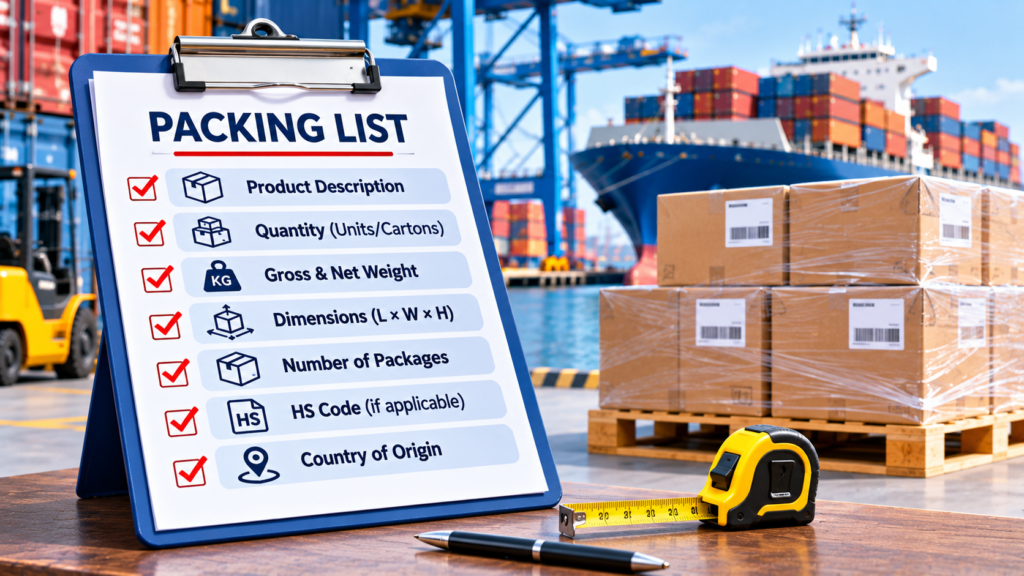
Freight quotations depend on shipment information such as the number of packages, gross weight and dimensions. Incorrect measurements can result in revised charges, booking changes or loading issues.
For LCL and air freight, volume and chargeable weight are especially important. Ask your supplier to confirm the final packing details before the freight rate is finalised.
Accurate cargo measurements also help when calculating shipment volume. Read How to Calculate CBM for Your Shipment.
Incoterms define important responsibilities between buyers and sellers in an international sale. They clarify who is responsible for arranging transportation, handling certain costs, completing export or import formalities and managing specific risks.
If the buyer and supplier do not clearly understand the agreed Incoterm, important tasks may be missed or duplicated. This can lead to confusion, unexpected charges and delays.
These rules have specific requirements and should be agreed with the supplier using a clearly named place or port. Not every Incoterm is suitable for every mode of transport.
A low freight quote does not always mean a low total shipping cost. Your final landed cost may include:
Confirm the Incoterm with your supplier before placing the order. Ask your freight forwarder for a clear quotation showing what is included and excluded. Check who will arrange export clearance, import clearance, insurance and final delivery.
Read our guide: 11 Incoterms Rules That Can Save You Time and Money.
Preventing shipping delays starts with coordination between the importer, supplier and freight forwarder. Use these practical steps before cargo dispatch:
Follow this process to organise an import shipment from China to Mauritius:
Before your next shipment leaves China, use this checklist to confirm that the main arrangements are complete.
International shipping involves multiple stages, service providers and documents. Managing every part independently can be challenging, particularly for businesses importing regularly or handling different types of cargo.
A freight forwarding partner can help coordinate transportation, documentation, shipment schedules and communication between the supplier and destination-side service providers.
When choosing a logistics partner, consider:
Clevertactic Ltd supports businesses with international logistics and freight forwarding requirements. Our services include sea freight, air freight, FCL, LCL and transportation coordination.
Explore our freight forwarding services and logistics services to learn more.
Importing from China can be a smooth process when the right checks are completed before the cargo is dispatched. Missing permits, inaccurate documents, incorrect HS codes, unsuitable shipping methods, late bookings, poor packaging and unclear Incoterms can all contribute to delays and additional costs.
The best way to protect your shipping schedule is to plan early, verify product requirements, prepare accurate documents and coordinate with your freight forwarder before the goods are ready.
Planning your next shipment from China to Mauritius? Contact Clevertactic Ltd to discuss your cargo requirements and request a freight quotation.
Common reasons include incomplete shipping documents, incorrect HS codes, missing import permits, supplier production delays, late freight bookings, port congestion and customs inspections.
Common documents include a commercial invoice, packing list and Bill of Lading or Air Waybill. A Certificate of Origin, import permit or product-specific certificate may also be required, depending on the goods and applicable rules.
Check import requirements before shipping, use accurate product descriptions and HS codes, prepare complete documents and arrange any required permits. Coordinate with a registered customs broker or freight forwarding agent.
The HS code classifies the imported product for customs purposes. It helps determine applicable duties, taxes and regulatory requirements. Incorrect classification can lead to customs queries, reassessment or delays.
FCL is generally suitable for larger shipments that need an entire container. LCL is useful for smaller shipments that can share container space. Compare the full origin and destination costs before choosing.
Air freight is generally faster and can be suitable for urgent, high-value or lightweight cargo. Sea freight is usually more economical for larger shipments when delivery time is less critical.
Start coordinating freight while your supplier is preparing the order. Confirm the expected cargo-ready date, shipping schedule, documentation deadlines and booking cut-off dates in advance.
Yes. Inaccurate dimensions, weights or package counts can cause booking and loading problems. Weak or unsuitable packaging can also lead to cargo damage during handling and transportation.
Incoterms are internationally recognised trade rules that define certain responsibilities between buyers and sellers, including delivery, costs and risk. Understanding the agreed rule helps prevent confusion about who arranges transportation, insurance and customs formalities.
A freight forwarder can help coordinate bookings, transportation, shipping documents and communication with relevant service providers. Early coordination and accurate information are important for reducing avoidable delays.
Speak with our team to find the best shipping solutions for your business.
+230 52583493

7 Hidden Shipping Charges Your Quote May Not Show International shipping involves more than choosing…
Export Packing List: 7 Details You Must Get Right International shipping involves more than booking…

Letter of Credit: How It Protects Your Payments International trade creates payment risks for both…
Let’s work together to simplify your logistics and ensure fast, secure, and timely delivery of your shipments.

Your Trusted Partner in End-to-End Supply Chain Management, Offering Expertise, Reliability, and On-Time Delivery Across the Globe.